
Creating Your Dream Cape Cod Home Addition: Stylish Expansion Ideas
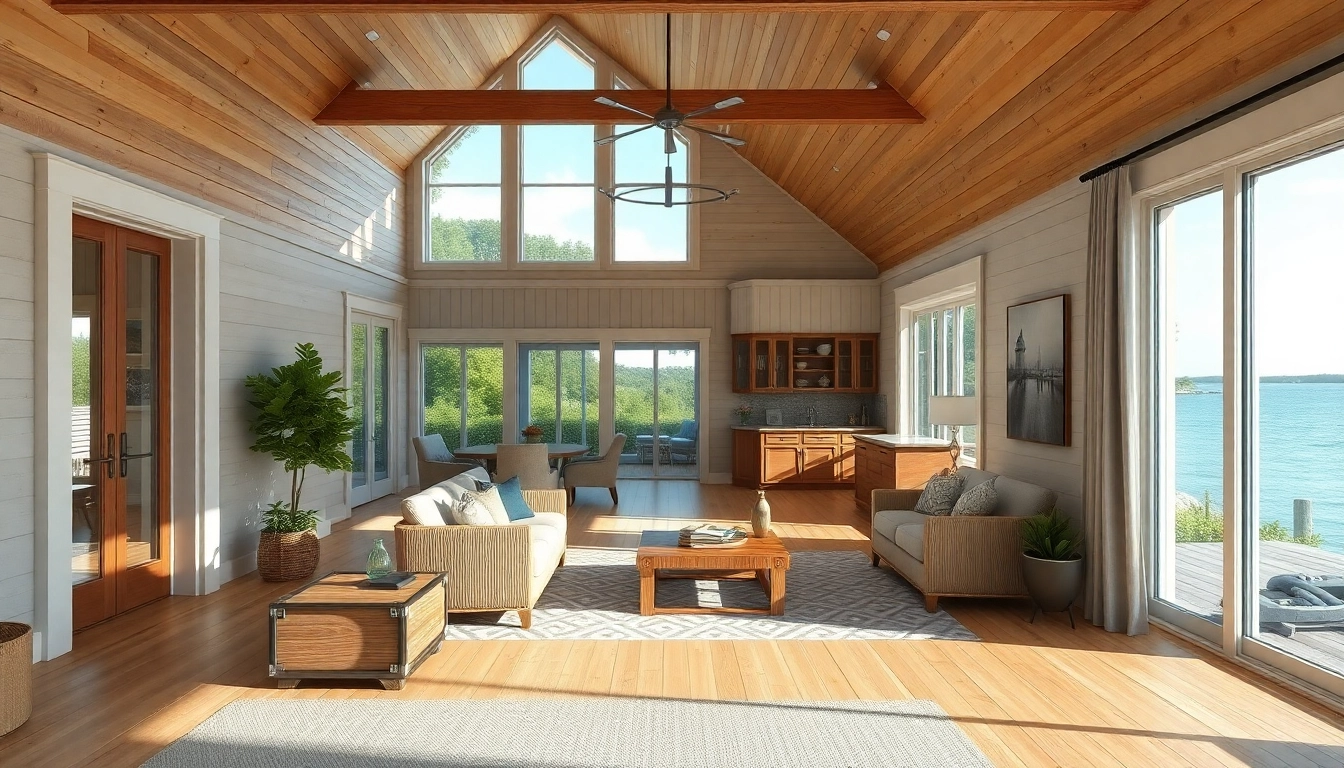
Understanding the Concept of a Cape Cod Home Addition
Defining Cape Cod Home Addition
A cape cod home addition is a structured expansion of the existing living space that adheres to the iconic architectural style of Cape Cod homes. Originating in New England, this style is characterized by steep roofs, dormer windows, and a symmetrically structured facade. Adding to a Cape Cod home means developing in line with these design elements while ensuring functionality and modern comforts coexist harmoniously.
Benefits of Expanding Your Space
Home additions present a plethora of advantages for homeowners. First and foremost, expanding your living space directly increases the value of your property. Many buyers are drawn to homes that offer ample room for family activities and entertainment, which can lead to a higher resale value.
Moreover, a well-planned cape cod home addition allows for increased functionality tailored to your family’s needs—be it more bedrooms, a larger kitchen, or even space for a home office. Beyond these utilitarian benefits, a significant benefit is the emotional gain of enjoying your current neighborhood and home while enhancing its livability.
Common Design Features
When designing a Cape Cod home addition, it’s essential to integrate common features associated with the style. Gabled roofs, clapboard siding, and dormer windows not only enhance aesthetic appeal but also reflect the traditional architecture that defines Cape Cod homes. Additionally, choosing a muted color palette with soft blues, whites, and grays will help unify the original structure and the new space.
Planning Your Cape Cod Home Addition
Assessing Your Home and Property
Before embarking on your cape cod home addition, a thorough assessment of your current property is crucial. Consider factors such as the condition of your home’s foundation and existing layouts. Evaluate how much space you have available and contemplate how an addition would fit within the overall flow of your home and yard. This includes understanding the orientation and natural light in different parts of the property.
Local Regulations and Permits
One of the first steps in planning a home addition involves researching local building regulations and obtaining the necessary permits. These regulations can vary significantly based on your municipality and state, so it’s vital to check with local authorities. Generally, you’ll need to secure building permits, zoning permits, and, potentially, environmental permits before proceeding.
Budgeting for Your Project
Setting a realistic budget is a fundamental step in planning your cape cod home addition. Costs can vary widely based on size and materials, typically ranging from $50,000 to $200,000. It’s crucial to consider all elements of the budget—from labor and materials to potential design fees and permit costs. Setting aside 10-15% for unexpected expenses is wise, as surprises often occur during construction.
Designing Your Cape Cod Home Addition
Choosing the Right Style
Choosing a design style that aligns with your Cape Cod home’s character is essential for cohesion. Traditional design features like steep rooflines, timber accents, and dormer windows are typical of Cape Cod architecture and should be incorporated into your addition. Consider how the addition will blend with the existing home and ensure that it respects the architectural integrity of the original structure.
Integrating Functionality and Aesthetics
The most successful home additions thoughtfully balance aesthetics with practicality. For instance, if you envision a larger kitchen or a functional family room, ensure that these spaces are designed with adequate flow and accessibility. The layout should facilitate ease of movement while maintaining a charming aesthetic typical of Cape Cod homes. Natural materials like wood, stone, and quality finishes will merge functionality with visual appeal seamlessly.
Tips for Working with Architects and Builders
Collaboration with experienced architects and builders is paramount for your cape cod home addition project. Start by defining your vision and budget clearly. Look for professionals who specialize in Cape Cod homes or similar styles, as they will understand the nuances of design. Communicate openly and regularly about progress, as well as any challenges that arise, to ensure the project aligns with your expectations.
Materials and Techniques for Cape Cod Home Additions
Selecting Durable Materials
The selection of materials plays a vital role in both the longevity and aesthetic quality of your addition. Opt for high-quality and durable materials that can withstand the coastal New England climate, such as cedar shingles for roofing and siding, which are traditional in Cape Cod homes. These materials not only ensure durability but also add authentic character to your addition.
Eco-Friendly Building Techniques
Sustainability is an increasingly important consideration for modern home additions. Utilize eco-friendly building techniques such as energy-efficient windows, sustainable materials sourced locally, and proper insulation practices to reduce energy consumption. Implementing these methods does not only benefit the environment; it can also lead to significant savings on utility bills in the long run.
Maintaining Authenticity in Design
Preserving the authenticity of Cape Cod architecture is crucial when planning an addition. This can be achieved through meticulous design attention—employing classic design elements, maintaining harmonious proportions, and using a cohesive color palette that aligns with the existing home. Authenticity enhances your property’s charm and makes your addition look like an integral part of the original home rather than a stark contrast.
Frequently Asked Questions about Cape Cod Home Addition
What are the typical costs for a Cape Cod home addition?
The cost of a Cape Cod home addition varies widely, typically depending on size and materials, often ranging from $50,000 to $200,000.
How do I choose the right contractor for my home addition?
Research potential contractors thoroughly. Look for reviews, verify credentials, and request portfolios or references from past clients.
What styles work best with a Cape Cod home addition?
Classic features like shingles, gabled roofs, and wooden elements blend well, maintaining the charm of traditional Cape Cod architecture.
Can I live in my home during the addition construction?
While possible, it can be disruptive. Communicate with your contractor about timelines and consider temporary living arrangements.
What permits are needed for a Cape Cod home addition?
Permits vary by location. Typically, you’ll need building, zoning, and possibly environmental permits, so check with your local authorities.