
Choosing the Right Foam for Rifle Case: Protection and Customization Options
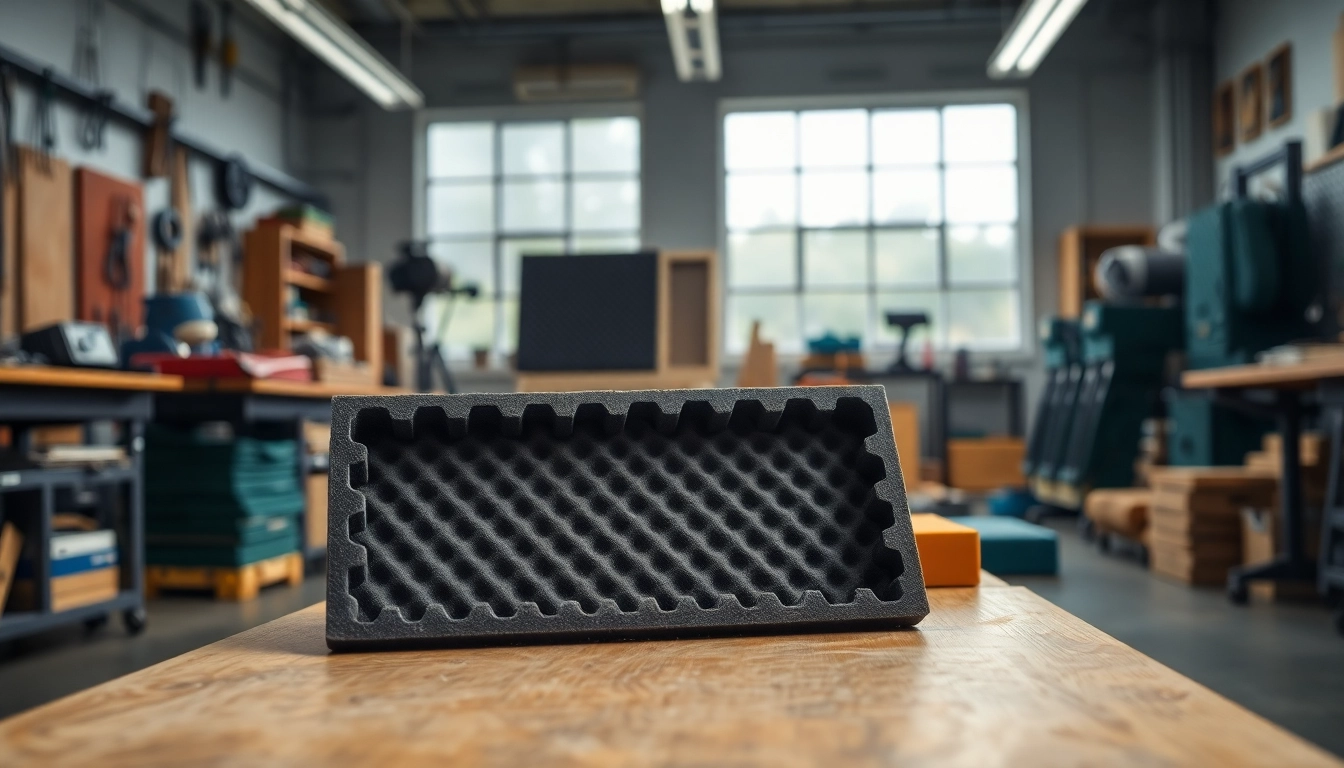
Understanding the Importance of Foam for Rifle Case
Protecting your firearm is of utmost importance for any gun owner. A reliable rifle case not only safeguards your weapon from external elements but also from potential internal damage. An essential aspect of any quality rifle case is the foam used for padding. Incorporating the right foam for rifle case provides structural support, cushioning, and ensures that your rifle remains secure during transport.
Why Foam Matters for Protection
The primary function of foam in a rifle case is protective cushioning. High-quality foam absorbs shocks and impacts, which are especially crucial during travel. A sudden jolt or drop can lead to extensive damage to a rifle—damaging its optics, barrel, and other sensitive components. By utilizing appropriate foam, you can significantly mitigate these risks and enhance durability.
Moreover, foam serves as a barrier against dust, moisture, and other environmental factors that can adversely affect the internal mechanics of your rifle. Therefore, investing in higher-grade foam not only helps in protecting your investment but also prolongs the lifespan and operational effectiveness of your firearm.
Different Types of Foam Available
When selecting foam for your rifle case, you will encounter various types, each with distinct characteristics:
- Polyethylene Foam: This closed-cell foam is durable, water-resistant, and provides excellent cushioning. It’s ideal for rifle cases due to its resilience and lightweight nature.
- EVA Foam: Ethylene-vinyl acetate (EVA) foam is known for its elasticity and durability. It’s softer than polyethylene but still provides adequate cushioning.
- Memory Foam: While not typically used solely for rifle cases, memory foam offers superior comfort and can cradle the rifle securely, allowing for a snug fit.
- Open-Cell Foam: This foam type is often softer and offers a good balance between weight and cushioning. However, it may not be as resistant to moisture as closed-cell foams.
Foam Density and Durability Explained
Foam density is a critical factor when choosing the right material for your rifle case. Density typically measures the weight of foam per cubic foot and affects its overall durability and lifespan. Higher density foams are more robust and provide better impact resistance, making them ideal for situations where added protection is essential. However, density also affects weight—denser foams are heavier, which might be a consideration if portability is a key concern. Understanding this balance between density and functionality is crucial in making an informed decision.
Choosing the Best Foam for Rifle Case
Measuring Your Rifle for Perfect Fit
To maximize protection, it’s imperative to measure your rifle accurately. Start by determining the rifle’s overall length, including any attachments like scopes or bipods. Once you have the total length and any additional dimensions, you can create a foam cut-out that matches these specifications. Utilizing templates or even cardboard models can help visualize how your rifle will sit within the foam.
A perfect fit ensures that the rifle remains securely in place and minimizes movement during transport, providing additional safety against potential damage.
Assessing Your Storage Needs
Consider what other items you might need to store in the case. Aside from the rifle itself, you may have ammunition, scopes, or cleaning supplies to store. Depending on these needs, you might choose thicker foam or organize the foam to accommodate different compartments. Adequate planning ensures that everything fits well without compromising safety and accessibility.
Common Foam Materials for Rifle Cases
As discussed earlier, multiple foam materials are suitable for rifle cases. Beyond the standard polyethylene and EVA foams, you may also explore:
- Cross-linked Polyethylene: This variant provides enhanced durability and puncture resistance.
- Acoustic Foam: Although typically used for sound absorption, it can provide soft cushioning and is lightweight.
Researching these materials and their compatibility with your needs will help in making an informed choice.
Customizing Foam for Rifle Case
DIY Foam Cutting Techniques
Customizing foam requires precision and planning. Using utility knives or hot-wire cutters ensures clean cuts that maintain the integrity of foam structure. Always measure twice and cut once; consider using a straight edge or ruler for accuracy.
For intricate shapes, chalk or a marker can help trace outlines before cutting. Always prioritize safety by wearing protective gear while performing any cutting tasks.
Pre-made vs Custom Inserts: Pros and Cons
Deciding between pre-made foam inserts and custom designs comes with its advantages and disadvantages:
- Pre-made Inserts: Cost-effective and readily available; however, they may not always fit specific rifles perfectly.
- Custom Inserts: Offer exact specifications and tailored protection, though they often come at a higher cost and require more effort to create.
Your choice should depend on how frequently you transport your rifle and how much you’re willing to invest in protection.
Popular Designs for Foam Inserts
Common designs for foam inserts include:
- Outline Cuts: Perfect for securing the rifle snugly and preventing movement.
- Layered Foams: Combining different foam densities can effectively absorb shocks where they impact the most.
- Compartmentalized Inserts: Designed to keep accessories organized and separated while ensuring easy access.
Selecting the right design enhances usability and protection.
Maintaining Your Foam for Rifle Case
Cleaning and Care Tips
Regular maintenance of your foam inserts ensures their longevity and effectiveness. Use a soft cloth to dust off particles and debris. For deep cleaning, a mild soap solution can remove any stains and odors. Always air-dry the foam completely to prevent mold or mildew buildup.
Signs of Wear and When to Replace
Foam, over time, can break down due to exposure to elements. Signs of wear include visible cracks, discoloration, or thinning material. If you notice any of these signs, it might be time to replace the foam to maintain optimal protection for your rifle.
Storage Tips for Longevity
Storing your foam inserts correctly is essential for maintaining their integrity. Avoid placing heavy items on top of them during storage, and try to keep them in a dry, cool environment. Using an airtight container also helps protect against moisture in the air.
Frequently Asked Questions about Foam for Rifle Case
What type of foam should I choose for my rifle case?
Choosing foam often depends on desired protection level; polyethylene or EVA foams are excellent for durability and cushioning.
How do I clean my foam inserts?
Dust with a soft cloth and use a mild soap solution for stains. Ensure to dry completely to avoid mold.
Are pre-cut foams effective for different rifles?
Pre-cut foams are effective but may not secure all rifle types perfectly. Custom options provide a tailored fit.
What is the best way to measure my rifle for foam?
Measure the overall length, width, and height, including attachments. Use these dimensions for cut guides.
How do I ensure my foam provides adequate protection?
Select high-density foam that fits snugly around your rifle and absorbs impact while keeping it secure.