A warehouse can lose time in small pieces: a worker walks to collect one item, a pallet waits for a forklift, or a parcel reaches the wrong packing station.
Logistics robots matter because they can handle these repeated moves while people focus on work that needs judgment, care, or physical control. The useful question is not whether a robot looks advanced. It’s where a robot can remove a repeated task without adding a new problem.
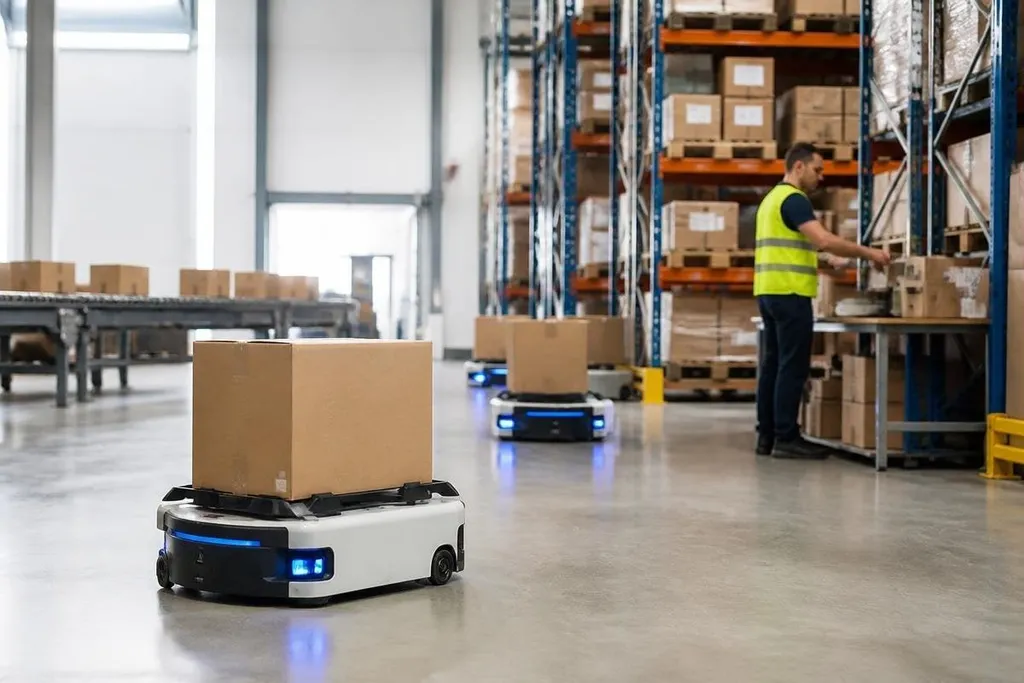
- Mobile robots carry bins or shelves between storage and work areas.
- Robotic arms can pick, sort, pack, or move goods at a fixed station.
- Fleet software sends tasks, checks robot locations, and helps people share the same floor safely.
The work robots can take on
Autonomous mobile robots, or AMRs, move through a site using sensors and software. LiDAR measures the space around the robot, while cameras or other sensors help it find people, racks, pallets, and open paths. The robot can then change its route when an aisle is blocked.
That changes the shape of warehouse work. A person may spend less time walking between storage and packing, while the robot carries a tote or shelf to a set point. The task still needs people, but their time goes toward picking, checking, or fixing exceptions.
Robotic arms work in a different way. They stay at a station and repeat a defined movement, such as lifting a carton from a conveyor and placing it in a shipping area. A gripper is the part that holds the object, so the arm needs the right gripper for the item’s size, shape, and surface.
This is why a robot that works well with boxes may struggle with soft bags, clear plastic, or mixed items. The arm, gripper, camera, and software must work as one system.
Why the pressure is growing
Logistics sites handle many small changes during a shift. Orders vary, storage locations change, and goods arrive in different packaging. A fixed conveyor can move items along one route, but an AMR can serve several stations when the software and floor plan support that work.
The benefit comes from repeated use. One unit carrying one bin once has limited value. Repeated trips can reduce walking, keep goods moving between stations, and give managers a clearer record of where a task stopped.
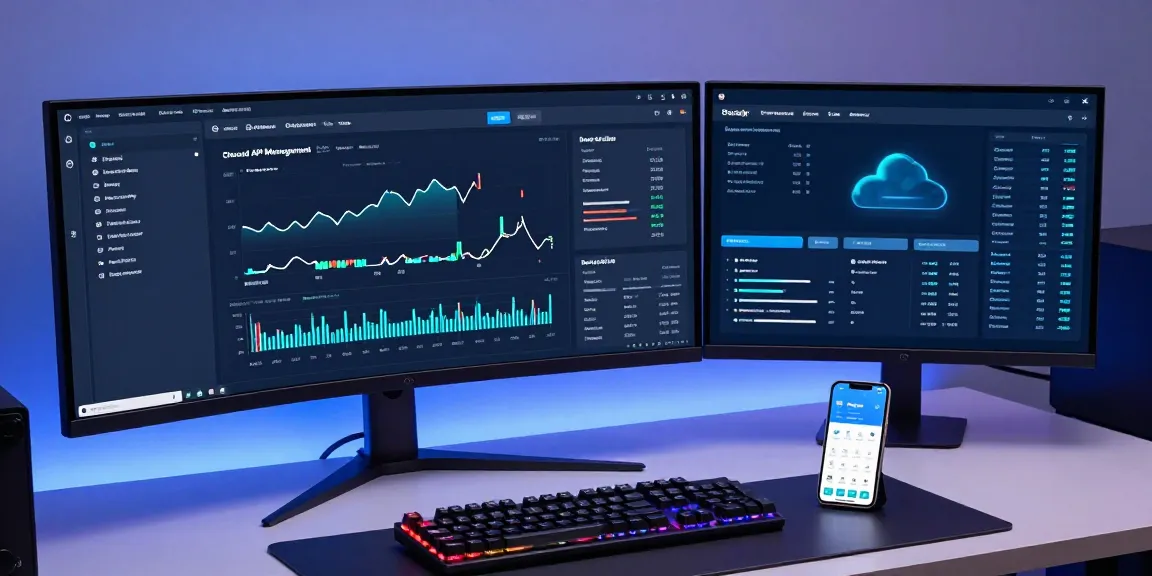
A stopped robot leaves a useful trail: fleet software can show the task and location before a worker clears the route. Reporting at Robot 24 can connect that event to the named machine and company behind it. The next limit is harder to log: how well the robot copes when the route or task changes.
What robots still struggle with
For a warehouse robot, the task needs clear limits. It may handle a marked route and known package sizes, then fail when a carton is damaged or an item arrives in an unfamiliar shape. A person must still deal with those cases unless the system has been built and tested for them.
The site itself also matters. Floor condition, lighting, network coverage, rack layout, fire exits, and pedestrian routes can affect the result. A robot fleet may need charging areas, service space, safety barriers, or changes to the software used by the warehouse.
Integration can take more work than the robot purchase. The robot may need to exchange task data with a warehouse management system, conveyor controls, barcode scanners, or doors. If those links fail, the robot can stop even when its motors and sensors work correctly.
I’d judge a logistics robot by the task it completes after six months, not by the smoothest launch video.
A practical buying check
Before choosing a system, check these points with the people who will run it:
- Name the task: write down the exact move, item type, start point, end point, and handoff.
- Measure the exceptions: record damaged cartons, blocked aisles, wrong labels, and other cases the robot may face.
- Check the floor: map people, forklifts, doors, charging points, ramps, and emergency routes.
- Test the software link: confirm how tasks move between the robot fleet and warehouse systems.
- Price the full job: include installation, training, service, spare parts, charging, and site changes.
- Set a result: choose a measure such as completed trips, items picked, or minutes saved per shift.
This list keeps the decision tied to work rather than a machine’s feature sheet. It also shows where a simpler tool, such as a conveyor or better storage layout, may solve the same problem.
What to watch next
Logistics robots will matter most in sites that can give them repeatable work, clear routes, and clean task data. The open question for each operation is practical: which repeated move costs enough time to justify a robot, and can the site support it without slowing people down?