Understanding the Importance of Construction Networking Events
In the ever-evolving construction industry, construction networking events serve as crucial platforms for professionals looking to expand their horizons and build meaningful relationships. These events not only provide opportunities for collaboration and learning but are essential for staying current in a competitive landscape. Networking is more than just exchanging business cards; it’s about fostering genuine connections that can lead to potential partnerships, client relationships, and career advancements.
What are Construction Networking Events?
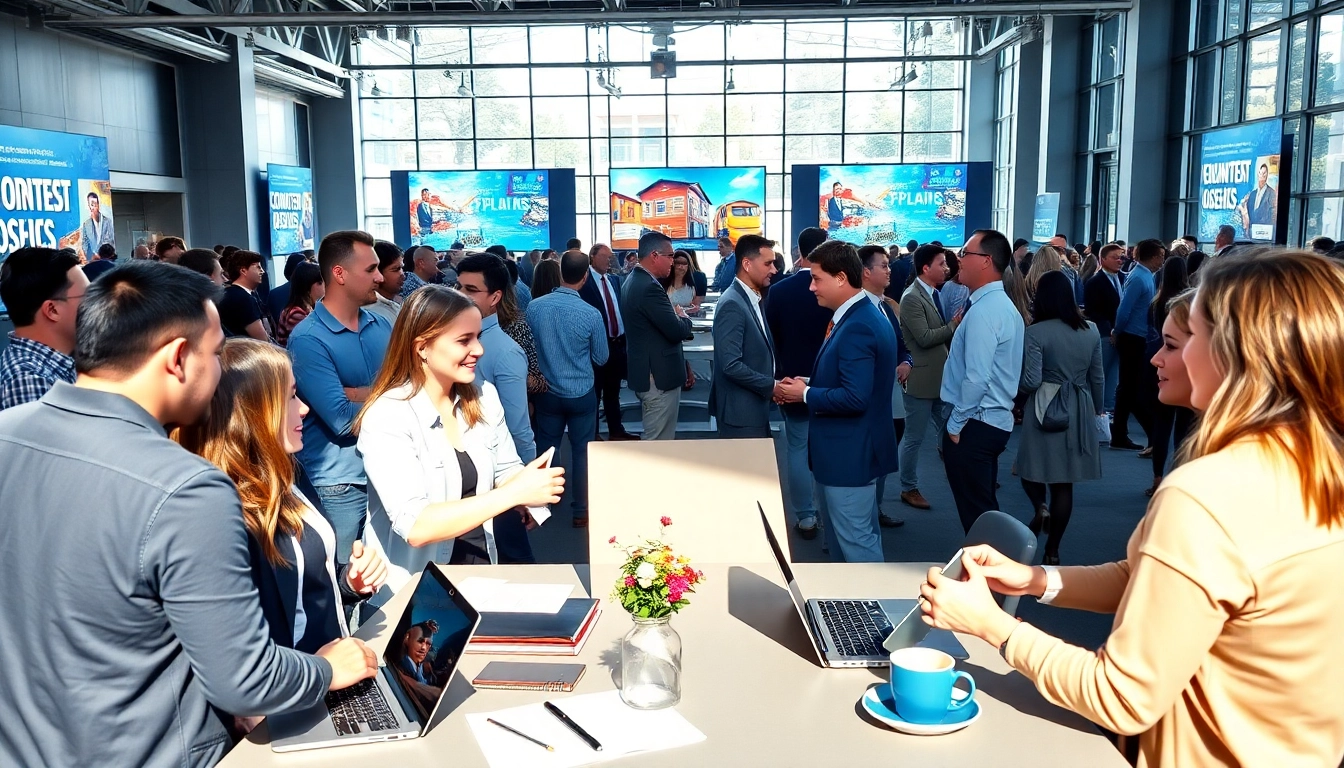
Construction networking events are gatherings designed for professionals in the construction industry to meet, share knowledge, discuss trends, and explore potential collaborations. These events can take various forms, including conferences, workshops, trade shows, or informal meetups, and they typically attract a diverse group of participants from various sectors, such as general contractors, subcontractors, suppliers, and architects.
Key Benefits of Attending
- Building Relationships: Establishing connections with industry peers can lead to referrals and new business opportunities.
- Learning Opportunities: Participants can gain insights from industry leaders, enhance their skills, and learn about new technologies.
- Increasing Visibility: Engaging in these events helps boost personal and organizational visibility within the industry.
- Staying Informed: Attendees stay updated on market trends, regulations, and innovations that impact the construction sector.
Common Misconceptions
Despite the clear advantages, many professionals hold misconceptions about networking events. Some believe these events are solely for extroverts or those already well-established in the field. However, networking is a skill that anyone can develop. Moreover, others may view networking as a short-term investment, disregarding its long-term benefits, including partnerships and shared resources that can arise well after an event.
Strategies for Effective Networking
Preparing for Networking Events
Successful networking begins long before the event starts. Preparation is key. Research the event and its attendees; understand who will be there and what their interests may be. Setting specific goals, such as the number of contacts you aim to make or new topics you wish to explore, can guide your interactions. Also, prepare an elevator pitch that succinctly describes your professional background and what you're looking for within the industry.
Conversational Tips for Success
At the event, engaging in meaningful conversations is crucial. Begin with open-ended questions that invite others to share their experiences. Listen attentively, and relate their insights back to your interests or challenges. Be genuine and considerate. People are more likely to remember those who showed interest and empathy. Additionally, maintaining a positive body language and a warm smile can go a long way in establishing rapport.
Follow-Up Techniques After the Event
Once the event concludes, the real work begins with follow-up actions. Send personalized messages to the contacts you made, referencing specific topics you discussed. This approach helps build a more substantial connection. Using professional networking platforms, like LinkedIn, can facilitate maintaining relationships and allow for continued interactions around shared interests and insights.
Types of Construction Networking Events
Workshops and Seminars
Workshops and seminars allow participants to dive deeply into specific topics relevant to the construction industry. These settings encourage discussion and hands-on learning, often facilitated by industry experts. Attending these types of events can enhance your skill set and introduce you to others with similar interests.
Trade Shows and Expos
Trade shows and expos are excellent venues for discovering the latest products, technologies, and services in construction. They often feature exhibits from various companies, providing insights into innovations transforming the industry. These events provide a bustling atmosphere for networking with vendors, customers, and competitors alike.
Local Meetups and Conferences
Local meetups and conferences foster a community feel, allowing professionals to share local insights. These smaller-scale events can often be more accessible and encourage open dialogues, making it easier to form connections. They can also highlight local regulations and market dynamics that are relevant to the attendees.
Measuring the Success of Networking Events
Setting Networking Goals
Defining clear, measurable goals before attending an event can help gauge its success. Goals could range from the number of new contacts made to specific information sought. After the event, evaluate how effectively those goals were met and reflect on adjustments for future events.
Tracking Connections Made
After establishing connections, keeping track of who you met and what was discussed is vital for future interactions. Maintaining a digital database or using contact management tools can help ensure that important connections remain top of mind when opportunities arise.
Assessing the Impact on Business
Ultimately, the value of networking events can be assessed by their impact on your business. This could be measured through new contracts, partnerships formed, or referrals obtained. Regularly evaluating the ROI of attending various networking events will help you decide where to invest your time and resources in the future.
Frequently Asked Questions about Construction Networking Events
What should I bring to a construction networking event?
Bring plenty of business cards, a notebook for taking notes, and perhaps some promotional materials about your company. Ensuring you have a crisp and genuine smile is equally important!
How can I make a memorable first impression?
Be approachable and engage others in conversation. A sincere compliment or interest in their work can leave a lasting impression. Follow that with a firm handshake and strong eye contact.
Are these events suitable for beginners in the industry?
Absolutely! Networking events are beneficial for professionals at all levels. Beginners can gain valuable insights while building their network within the industry.
What is the best way to follow up after the event?
Send a personalized email or message referencing specific conversations you had. This will reinforce the connection and make you more memorable. Utilize professional networks for ongoing engagement.
How do I choose which events to attend?
Consider your goals, interests, and the potential for new contacts. Research the event history and participant profiles to ensure it aligns with your professional development needs.