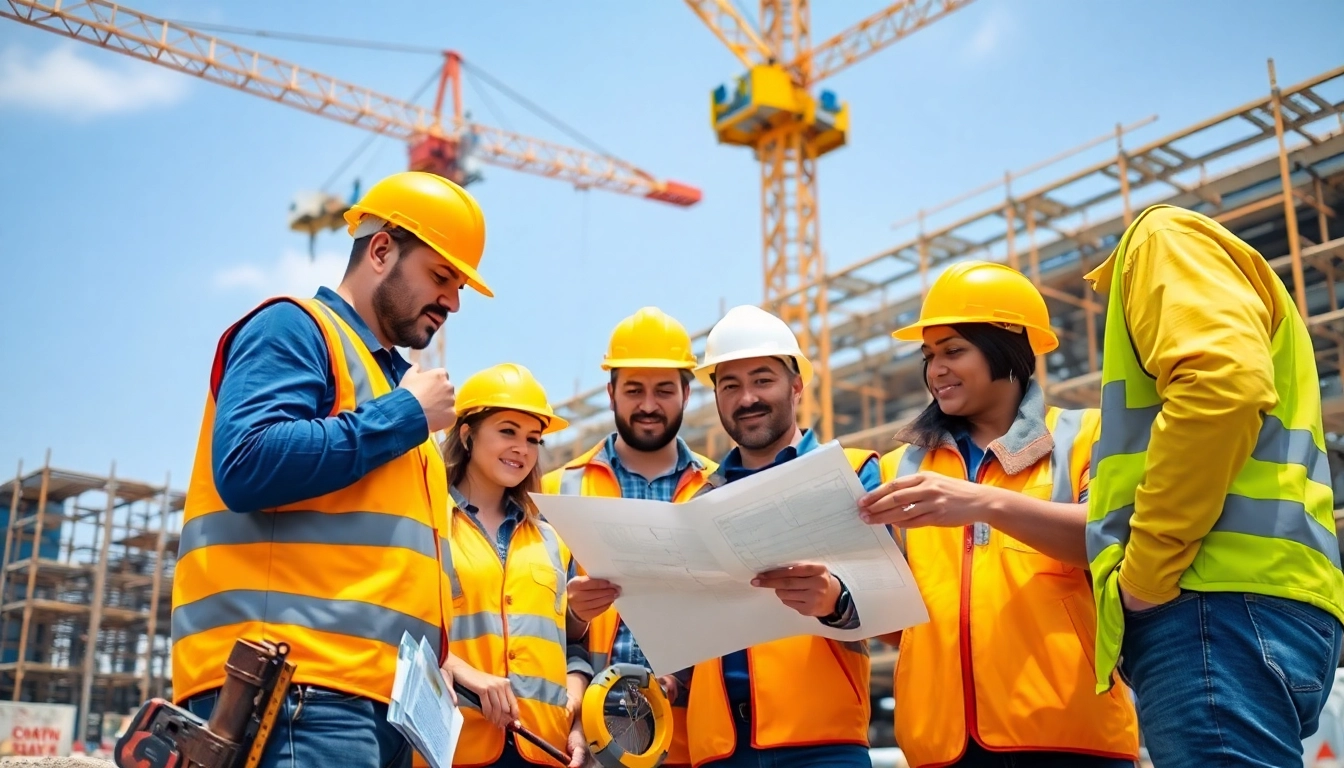
Understanding the Role of New York City Construction Manager
Defining Key Responsibilities
The role of a New York City Construction Manager encompasses a wide array of responsibilities crucial for the success of construction projects. Primarily, they oversee construction sites, ensuring that projects align with established timelines, budgets, and quality standards. They coordinate and interface with various stakeholders including architects, engineers, contractors, and clients, ensuring an effective collaboration amongst teams.
Among the specific duties linked to this role are the preparation of detailed project plans, schedules, and budgets, as well as analyzing project risks to devise mitigation strategies. Construction managers also handle contract management—negotiating terms with contractors and suppliers, as well as ensuring compliance with safety regulations and building codes. Ultimately, their objective revolves around delivering completed projects on time and within budget while maintaining high quality and safety standards.
Essential Skills Required
Success as a New York City Construction Manager requires a blend of technical knowledge and soft skills. One fundamental aspect is a strong grasp of construction methods and processes, which requires a background in civil engineering or construction management education. Key soft skills include leadership, communication, and negotiation abilities to effectively manage diverse teams and client relationships.
Further, industry acumen is essential; understanding local regulations, zoning laws, and environmental codes can greatly influence project planning and execution. Proficiency with project management software and technology is equally critical as it streamlines processes and facilitates real-time project tracking. As the field is continually evolving, a commitment to continuous learning and adaptability to new construction trends and technologies will significantly benefit construction managers.
Understanding Industry Standards
Industry standards for construction management in New York City are influenced by both local regulatory bodies and broader national guidelines. Construction managers must be well-versed in the New York City Construction Codes, which stipulate both safety and work requirements essential for public infrastructure. This knowledge ensures not only compliance but also the ability to produce high-quality, sustainable projects.
Additionally, adhering to standards set forth by organizations such as the Occupational Safety and Health Administration (OSHA) guarantees that safety protocols are upheld across the board. Incorporating sustainable practices through green building certifications (like LEED) is also increasingly important in modern construction, reflecting an industry's shift towards environmental responsibility.
Finding Opportunities as a New York City Construction Manager
Job Market Overview
The job market for New York City Construction Managers is characterized by a robust demand driven by an ongoing wave of urban development, infrastructure upgrades, and residential projects. According to employment statistics, there are thousands of construction management roles currently listed on job boards specifically tailored for the New York area, indicating strong growth potential.
Job prospects remain optimistic, especially for those holding relevant certifications such as Project Management Professional (PMP) or Certified Construction Manager (CCM). Companies are seeking qualified candidates who not only possess the requisite industry knowledge but can also add value through innovative problem-solving skills and aptitude for managing diverse teams.
Effective Networking Strategies
Networking is a vital tool for any aspiring New York City Construction Manager. Engaging in industry-specific events such as trade shows, conferences, and local meetups can foster valuable relationships with peers and industry leaders. Utilizing platforms like LinkedIn to connect with other professionals in the field allows for knowledge exchange and potential job leads.
Additionally, joining professional organizations such as the Construction Management Association of America (CMAA) provides access to networking opportunities, mentorship programs, and resources geared towards professional development. Taking proactive steps to connect with others in the field can lead to collaborations and future career opportunities.
Utilizing Job Boards and Portals
There is a multitude of job boards and online resources available tailored to construction management roles in New York City. Websites such as Indeed, Glassdoor, and LinkedIn feature a plethora of job listings and postings that can help professionals find open positions aligned with their skill set.
Moreover, specialized job portals that cater specifically to the construction industry can provide valuable insights into current market trends and salary benchmarks, which are critical for negotiations. Setting up job alerts on these platforms can help job seekers stay informed about new opportunities as they arise.
Daily Challenges Faced by New York City Construction Managers
Managing Budgets and Finances
One of the foremost challenges faced by New York City Construction Managers is managing project budgets effectively. With fluctuating material costs and labor rates, keeping projects within budget can be a taxing endeavor. It's crucial for construction managers to engage in meticulous financial planning and forecasting, allowing them to anticipate potential expenses and allocate funds judiciously.
Moreover, regular financial audits and performance tracking are necessary to ensure compliance and identify any areas of concern before they escalate. Utilizing financial management software can also enhance accuracy and efficiency in budget tracking, making it easier for managers to access real-time financial data.
Inefficiencies and Delays
Inefficiencies and delays are common issues on any construction site, particularly in a bustling metropolis like New York City. Weather conditions, supply chain disruptions, and workforce shortages can exacerbate timing concerns. Construction managers need to develop adaptive strategies that allow for flexibility in project scheduling without compromising quality.
Implementing coherent project management methodologies, such as Agile or Lean construction principles, can streamline processes and catalyze team productivity. Utilizing advancements in technology, such as Building Information Modeling (BIM) systems, can also provide significant boosts in efficiency, allowing teams to visualize projects and anticipate problems before they arise.
Ensuring Site Safety and Compliance
Safety on construction sites is paramount, especially in a city renowned for its dense population and plethora of ongoing projects. New York City Construction Managers are tasked with enforcing safety regulations and ensuring compliance to the highest standards. This involves conducting regular site inspections, providing safety training to workers, and maintaining an open line of communication regarding safety protocols.
Furthermore, best practices dictate that safety plans are developed and tailored to each unique project, accommodating site-specific hazards and risks. In cultivating a culture of safety, construction managers not only protect their team's wellbeing but also mitigate the likelihood of costly work stoppages due to accidents or compliance issues.
Best Practices for New York City Construction Managers
Utilizing Technology in Management
In the rapidly changing construction landscape, leveraging innovation and technology is essential for optimizing efficiency and productivity. Tools such as project management software, mobile applications for communication, and automated scheduling systems are invaluable assets. BIM technology allows managers to visualize construction processes, facilitating better decision-making.
Additionally, the incorporation of drones for site surveys and inspections can enhance safety while reducing project timelines. By harnessing the capabilities of these technologies, construction managers can anticipate issues, create data-driven strategies, and ultimately drive project success.
Building Strong Teams
Effective teamwork is the backbone of successful construction projects. A New York City Construction Manager must focus on building strong, cohesive teams that can collaborate efficiently. This involves fostering an environment of open communication, allowing for real-time feedback and problem-solving.
Furthermore, establishing clear roles and responsibilities within a team can reduce ambiguity and enhance accountability. Regular team-building exercises and training sessions can also cultivate team spirit and align collective efforts towards shared project goals. A well-functioning team significantly contributes to the overall success of the project while reducing stress and conflicts in high-pressure environments.
Implementing Sustainable Practices
Sustainability in construction has become a focal point of industry standards, especially in a vibrant city like New York. A New York City Construction Manager should spearhead sustainable construction practices by advocating for the use of eco-friendly materials and energy-efficient methods. Incorporating green building practices not only complies with regulations but also attracts environmentally conscious clients.
Additionally, the implementation of waste management strategies and sourcing sustainable resources can reduce a project's carbon footprint. Building certifications from esteemed organizations not only bolster the project's value but enhance the reputation of the construction manager as a leader in sustainable practices.
Future Trends for New York City Construction Managers
Impact of Urban Development
The continuous influx of residents and businesses into New York City significantly impacts construction trends. As urban development persists, New York City Construction Managers will face increasing demands to design and implement innovative, multi-functional spaces that cater to the community's diverse needs. This trend will require keen foresight in planning and adaptability to changing urban dynamics.
Moreover, vertical construction on tighter urban footprints will challenge construction managers to optimize space usage and integrate structures with surrounding environments while addressing community concerns. Balancing growth with sustainability will remain an ongoing challenge.
Emerging Technologies and Innovations
The construction industry is in the midst of a digital transformation with the advent of emerging technologies such as Artificial Intelligence, machine learning, and blockchain. New York City Construction Managers must stay abreast of these innovations as they revolutionize project planning, execution, and management.
For instance, AI can enhance predictive modeling, helping managers foresee project trends while blockchain technology can improve contract transparency and security. Embracing these changes will be essential in staying competitive in the rapidly evolving construction landscape.
Job Skill Shifts and Adaptation
As the construction industry evolves, so too must the skill sets of New York City Construction Managers. There is a palpable shift towards requiring professionals who are technologically proficient and adept at managing remote teams and virtual collaborations. Skills in data analysis, digital communication, and green building practices will become increasingly valuable.
Furthermore, as construction project ecosystems grow more interdependent, strong relationship management skills will be incredibly important. Continuous education and professional development will allow construction managers to adapt to these shifts and maintain relevance in their roles.
Frequently Asked Questions
What certifications are beneficial for a New York City Construction Manager?
Certifications like Project Management Professional (PMP) and Certified Construction Manager (CCM) are highly valued in this field, demonstrating expertise and commitment to professional standards.
How can a construction manager minimize project delays?
Minimizing delays involves proactive planning, regular team communication, adopting efficient scheduling tools, and leveraging technologies like BIM to foresee potential issues.
What role does sustainability play in construction management?
Sustainability is crucial as it enhances project value, meets regulatory requirements, and caters to environmentally conscious clients while minimizing environmental impact.
How important is networking for a construction manager?
Networking is essential for career growth, providing opportunities for mentorship, job leads, and industry insights through connections with peers and leaders in construction.
What are the main challenges faced by construction managers today?
Key challenges include managing budgets effectively, addressing project inefficiencies, ensuring site safety and compliance, and adapting to an evolving technological landscape.