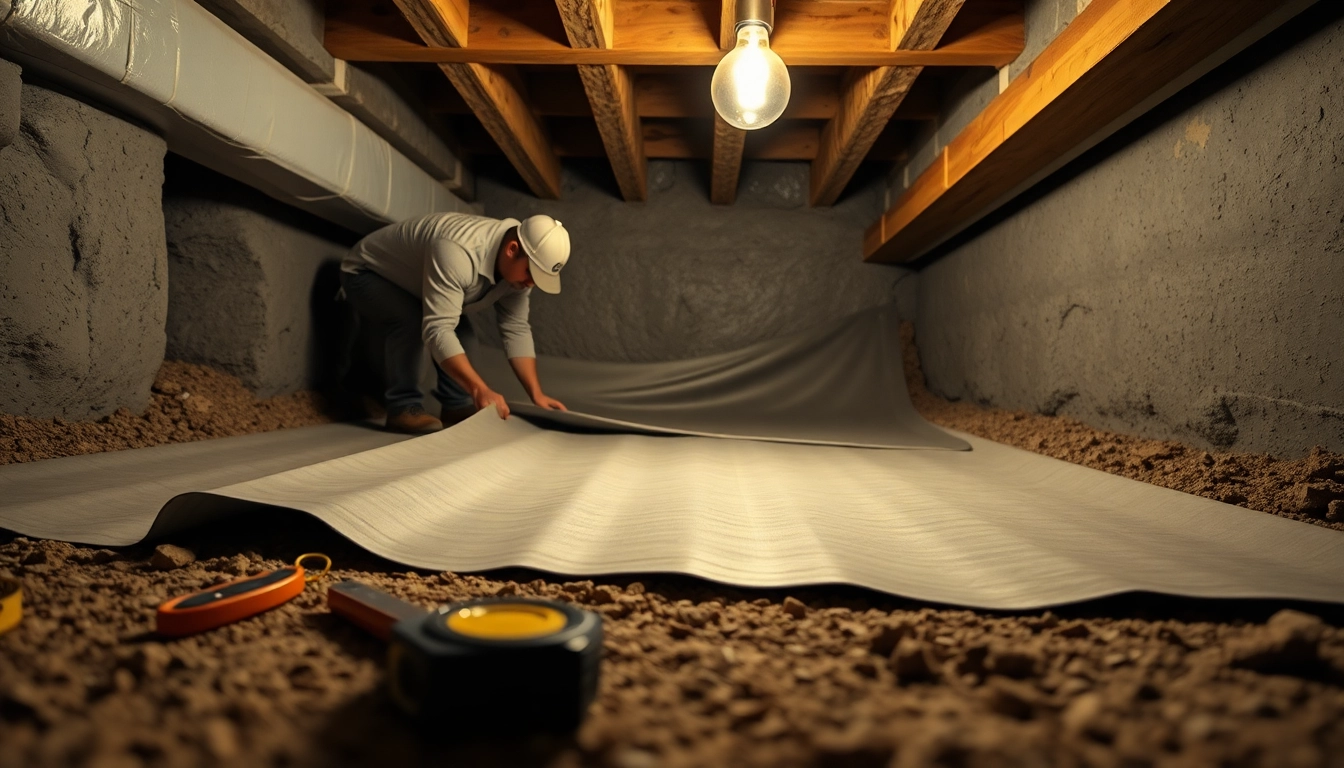
Understanding Vapor Barrier Installation
What is a Vapor Barrier?
A vapor barrier is a material used to resist moisture transmission. It is typically installed in areas prone to dampness, such as crawl spaces and basements, to prevent water vapor from penetrating walls and floors. Vapor barriers are usually made from polyethylene plastic sheets and can come in various thicknesses. Their primary function is to create a barrier against humidity, thereby reducing the risk of mold growth and structural damage in homes.
Importance of Vapor Barrier Installation
The importance of Vapor Barrier Installation cannot be overstated. Properly installed vapor barriers protect against moisture, which is crucial in maintaining the integrity of a building. Excess moisture can lead to a host of problems, including mold, mildew, and damage to insulation, wood, and building materials. Moreover, a well-installed vapor barrier can enhance energy efficiency by preventing unwanted heat transfer, thus reducing heating and cooling costs.
Common Materials Used
Vapor barriers are primarily made from two common materials: polyethylene and foil-faced kraft paper. Polyethylene is the most widely used option due to its effectiveness and durability. It is available in various thicknesses, commonly ranging from 6 to 20 mils. Foil-faced kraft paper, on the other hand, is more suitable for specific applications, such as in attics where radiant heat reflection is desired. Selecting the right material depends on the application and environmental conditions of the installation area.
Preparing for Installation
Assessing Your Crawl Space
Before proceeding with the installation of a vapor barrier, it is essential to assess your crawl space thoroughly. Look for signs of existing moisture issues, such as damp spots, mold, or mildew growth. It's crucial to consider the drainage and ventilation around the foundation. Ensure there are no leaks in pipes or cracks in the foundation that could contribute to increased humidity. Addressing these issues prior to installation will ensure the vapor barrier's effectiveness.
Required Tools and Materials
When preparing for the installation, gather the necessary tools and materials. You will need the following: vapor barrier material (polyethylene or foil-faced), utility knife, measuring tape, construction adhesive, waterproof tape, and a stapler or tacker. Additional supplies might include gloves, knee pads, and a mask to ensure safety while working in a crawl space.
To Do Before Installation
Before beginning the installation process, make sure to clear the crawl space of any debris or obstacles. Inspect the area for signs of pest intrusion and take necessary precautions to prevent any infestations. Finally, ensure that your ventilation systems are functioning correctly to help manage moisture levels even further.
Step-by-Step Vapor Barrier Installation
How to Measure Your Space Accurately
Measuring your crawl space accurately is critical for the proper installation of the vapor barrier. Start by measuring the length and width of the area. Make note of any obstructions, such as pipes or beams, that may affect how the barrier is laid out. Use your measurements to calculate the total square footage of the crawl space, adding a few extra inches to each dimension to ensure complete coverage.
Cutting and Positioning the Barrier
After obtaining the correct measurements, lay out the polyethylene sheet on a flat surface and cut it to the required size. When positioning the barrier, start from the back of the crawl space and work toward the entrance. Ensure that the vapor barrier extends up the walls at least 12 inches. This overlap not only improves moisture protection but also makes securing the barrier easier.
Sealing Joints and Edges
Sealing joints and edges is a critical step in vapor barrier installation. Use a waterproof tape or construction adhesive to seal all seams and overlaps. This is essential to ensure there are no gaps where moisture can penetrate. Pay particular attention to areas around pipes, vents, and any other obstructions, sealing them appropriately to create a continuous moisture barrier.
Maintenance and Inspection
Regular Inspections to Ensure Effectiveness
Post-installation, it is crucial to schedule regular inspections of your vapor barrier. Check for any signs of wear, damage, or water intrusion. Ideally, these inspections should be conducted biannually or after heavy rainfall. Keeping an eye on the barrier will help to identify issues before they escalate into more significant problems, ensuring the continued protection of your home.
Signs of Damage and Repair Tips
Look out for discoloration, which may indicate moisture problems or physical damage such as tears or punctures. If you find any issues, repairing them as soon as possible is essential to restore the barrier's integrity. Small tears can often be repaired with waterproof tape, while larger areas may require patching with new material following the original installation steps.
Long-term Benefits of Proper Maintenance
Maintaining your vapor barrier yields numerous long-term benefits. A well-maintained barrier helps prevent costly repairs related to water damage, mold remediation, and structural issues. Additionally, it contributes to enhanced energy efficiency, significantly lowering utility bills. Regular maintenance ensures that your home remains healthy and safe, providing peace of mind to homeowners.
Frequently Asked Questions
What is the purpose of a vapor barrier?
The purpose of a vapor barrier is to restrict moisture from entering your home, which can lead to mold, mildew, and structural damage.
How long does vapor barrier installation last?
A properly installed vapor barrier can last for many years, but regular inspections are essential to ensure its effectiveness and integrity.
Can I install a vapor barrier myself?
Yes, many homeowners can install a vapor barrier themselves, provided they follow the correct steps and safety measures.
What are the consequences of not having a vapor barrier?
Without a vapor barrier, homes are at risk for moisture issues, leading to mold growth, structural damage, and higher energy bills due to inefficient insulation.
Why is sealing essential in vapor barrier installation?
Sealing joints and edges is critical to ensure the vapor barrier remains fully effective, preventing moisture from seeping in through gaps.