Understanding Electrical Fire Extinguishers
What is an Electrical Fire Extinguisher?
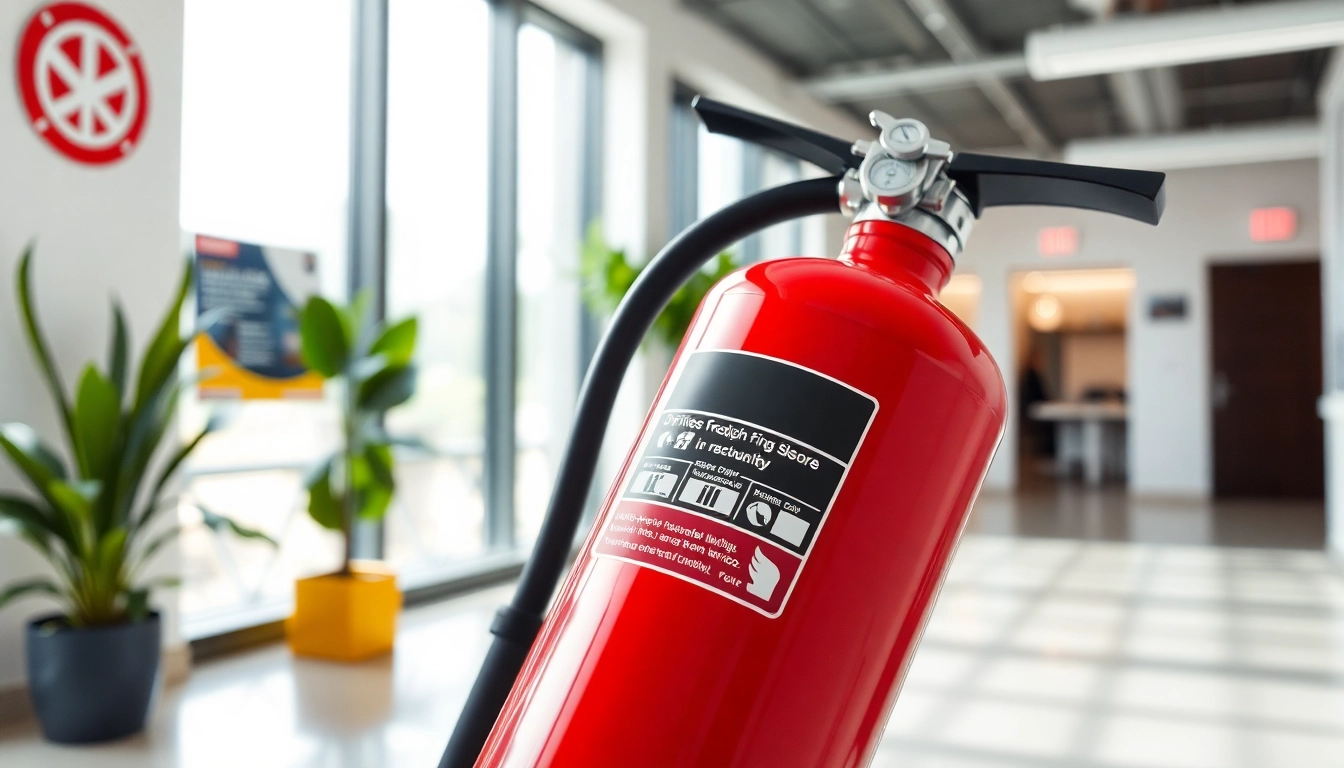
An electrical fire extinguisher is a specialized firefighting device designed to combat fires that involve electrical equipment. These extinguishers are crucial in environments where electrical hazards are prevalent, particularly in industrial settings, offices, and even homes. Standard water extinguishers can exacerbate electrical fires, while electrical fire extinguishers use non-conductive agents to safely extinguish flames without risking electrocution. Recognizing the importance of such extinguishers can be the difference between a small incident and a catastrophic fire.
Types of Electrical Fire Extinguishers
There are several types of extinguishers suited for electrical fires, primarily categorized by the class of fire they address. The most common types include:
- Class C Extinguishers: These extinguishers are designed specifically for electrical fires. They use non-conductive suppressants, like carbon dioxide (CO2) or dry chemical agents, to extinguish flames while ensuring worker safety.
- CO2 Extinguishers: Carbon dioxide extinguishers are effective on electrical fires. They work by displacing oxygen, thus suffocating the fire without leaving residue.
- D Class Extinguishers: Although less common, certain specialized D class extinguishers may be used for fires involving specific metals in electrical equipment scenarios.
Why You Need an Electrical Fire Extinguisher
Electrical fires can ignite quickly and spread rapidly, making it imperative for businesses and homeowners to have the right extinguishing equipment. An electrical fire extinguisher provides a critical safety measure that not only protects property but also safeguards lives. Without the correct extinguisher, individuals may resort to hazardous methods, such as using water, which can lead to severe consequences, including electrical shock or further fire escalation.
Identifying Electrical Fire Risks
Common Sources of Electrical Fires
Electrical fires often stem from various sources within both residential and commercial settings. Some common causes include:
- Overloaded Circuits: Plugging too many devices into one outlet can overheat wiring, leading to sparks and flames.
- Faulty Wiring: Aging or improperly installed wiring can deteriorate over time, posing significant fire risks.
- Defective Appliances: Appliances that are outdated or damaged can cause short circuits, igniting nearby materials.
- Misuse of Extension Cords: Using extension cords for permanent wiring can lead to overheating and fires.
Risk Assessment Steps for Businesses
Conducting a risk assessment is essential for any business looking to minimize fire hazards. Steps to undertake include:
- Inventory Electrical Equipment: Catalog all electrical devices and assess their condition and usage.
- Evaluate Wiring Condition: Inspect wiring and circuits for signs of wear or damage, ensuring compliance with safety standards.
- Review Emergency Protocols: Ensure there are well-established procedures in place for fire emergencies, including the locations of extinguishers.
- Train Employees: Regularly train staff on identifying electrical hazards and proper extinguishing techniques.
Importance of Regular Inspections
Routine inspections of electrical systems and fire extinguishers are critical in every setting. Regular checks ensure that all equipment functions properly and meets safety standards. Inspections should include:
- Routine checks of fire extinguishers for proper pressure and functionality.
- Audit of electrical appliances and outlets for any potential hazards.
- Assessment of employee readiness and awareness regarding fire safety practices.
Choosing the Right Electrical Fire Extinguisher
Key Features to Look For
When selecting an electrical fire extinguisher, consider the following features:
- Rated Class: Ensure the extinguisher is rated for Class C fires.
- Agent Type: Determine whether CO2 or dry chemical agents are more appropriate for your specific needs.
- Indicator Gauge: A visible gauge allows easy verification of the extinguisher’s charge.
Compliance with Fire Safety Regulations
All fire safety equipment must comply with local fire codes and regulations. Factors to consider include:
- Local fire codes to ensure correct placement and accessibility of extinguishers.
- Standard testing and maintenance procedures mandated by regulatory bodies.
Selecting the Right Size and Type
The size of the electrical fire extinguisher you choose will depend on the potential fire risks in your environment. For example:
- Small offices may benefit from portable extinguishers, while larger facilities might require multiple extinguishers of varying sizes.
- Consider the placement of extinguishers in relation to the risk areas, ensuring they are accessible in case of emergencies.
Best Practices for Using Electrical Fire Extinguishers
Proper Use Techniques
Understanding how to correctly use an electrical fire extinguisher is vital. The recommended technique is the PASS method:
- Pull: Pull the pin at the top of the extinguisher.
- Aim: Aim the nozzle at the base of the fire.
- Squeeze: Squeeze the handle to release the extinguishing agent.
- Sweep: Sweep the nozzle from side to side until the fire is completely out.
Training Requirements for Employees
Training employees on fire safety and extinguishing methods is non-negotiable. Regular sessions can cover:
- The identification of potential fire hazards.
- How to properly use extinguishers and evacuate during a fire.
- Conducting fire drills to simulate emergencies.
Role of Fire Drills in Preparedness
Conducting fire drills is essential for keeping everyone prepared in case of an actual emergency. Drills should ensure that all employees understand:
- The quickest exits during a fire.
- How to locate and use fire extinguishers effectively.
- The importance of not re-entering a building until it is deemed safe.
Maintaining Your Electrical Fire Extinguisher
Routine Maintenance Tips
Proper maintenance is pivotal in ensuring your electrical fire extinguisher works when needed. Essential tips include:
- Check the gauge each month to verify it is in the green zone.
- Inspect for physical damage or corrosion.
- Ensure the pin is securely in place and that the locking seal is intact.
When to Replace Your Extinguisher
Even the highest-quality extinguishers will require replacement over time. Consider replacing an extinguisher if:
- The gauge shows a pressure drop.
- It is over 10-12 years old, depending on the manufacturer’s recommendation.
- Any visible signs of corrosion or damage are present.
Effects of Environment on Extinguisher Longevity
The environment in which your electrical fire extinguisher is stored can significantly affect its lifespan. Factors to monitor include:
- Temperature: Extremes in temperature can damage the extinguisher.
- Humidity: High humidity can lead to corrosion.
- Location: Ensure extinguishers are in accessible locations, away from obstructions or potential hazards.