
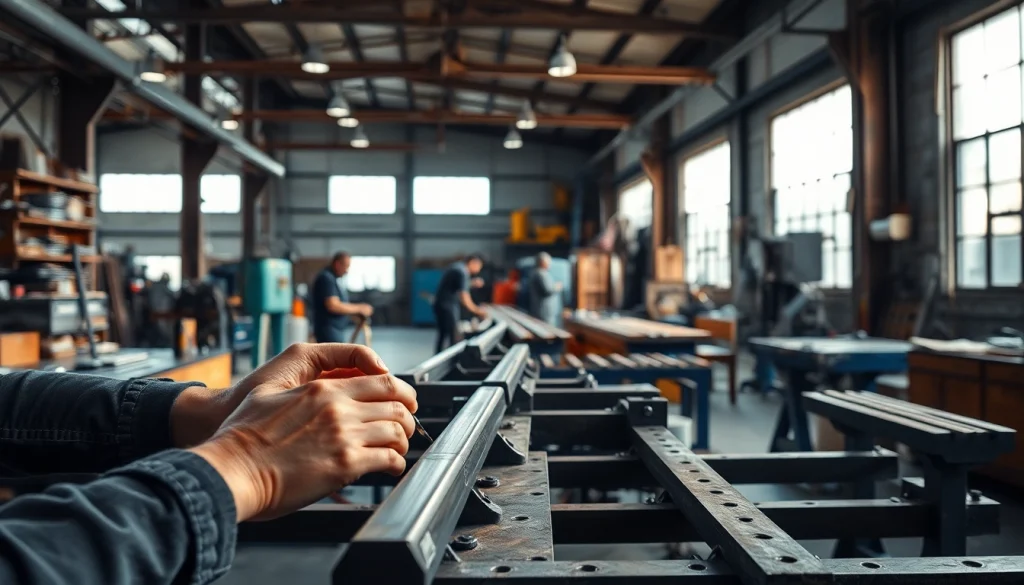
Understanding Custom Steel Fabrication
In an ever-evolving industrial landscape, the demand for precision and quality has peaked, particularly within the realm of custom steel fabrication. This process stands pivotal in ensuring that structures and products are not only durable but also meet the specific needs of various industries. This article delves into the intricacies of custom steel fabrication, from its foundational concept to the future trends that will shape the industry.
What is Custom Steel Fabrication?
Custom steel fabrication is the process of creating steel structures or products tailored to specific requirements, sizes, and designs. Unlike on-the-shelf products, custom fabrication involves a detailed understanding of a project’s unique demands. Industrial machinery, structural components, and various other products can be manufactured through cutting, bending, and assembling raw steel materials. This process typically uses advanced technologies, including CNC (Computer Numerical Control) machinery, which ensures precision and quality in crafting each piece.
Importance of Custom Steel Fabrication in Various Industries
The importance of custom steel fabrication spans multiple sectors including construction, automotive, aerospace, and manufacturing. In the construction industry, steel is the backbone of buildings, bridges, and infrastructure projects. Custom fabrication enables engineers and architects to innovate while adhering to safety and structural integrity standards. In automotive manufacturing, specialized steel components allow for the production of vehicles that are safer, more efficient, and tailored to consumer demands. The versatility of custom steel fabrication ensures it remains a critical player in enhancing productivity, efficiency, and innovation in these sectors.
Types of Custom Steel Fabrication Services Offered
Custom steel fabrication services encompass a broad array of activities. Key services include:
- Cutting: Utilizing laser cutting, plasma cutting, or traditional methods to shape steel into required dimensions.
- Bending: Applying pressure to form steel into specified angles and shapes, often using bending presses.
- Welding: Joining metal parts using heat or pressure, resulting in strong, durable structures.
- Assembly: Bringing together different components to create a finished product, whether it’s a simple frame or a complex machinery part.
- Surface Finishing: Applying treatments like powder coating or galvanizing to protect steel from corrosion and enhance aesthetic appeal.
Benefits of Custom Steel Fabrication
Cost-Effectiveness of Custom Steel Fabrication
One of the primary advantages of custom steel fabrication is its cost-effectiveness. Although the initial investment may seem higher than using standardized components, the long-term savings are significant. Custom fabricators can create efficient designs that minimize waste, ensuring that every cut and bend maximizes material use. Additionally, bespoke solutions can reduce installation times and labor costs by fitting seamlessly into existing systems, resulting in lower overall project costs.
Precision and Quality in Custom Steel Fabrication
Precision is paramount in any fabrication process. Custom fabrication employs advanced technology and skilled craftsmanship to produce components that meet exact specifications. The high standards maintained during production ensure that the quality of the finished product is consistently reliable. Whether building a custom structure or creating intricate machinery parts, precision minimizes the risk of failure and enhances safety and functionality.
Enhanced Flexibility in Design through Custom Steel Fabrication
Custom steel fabrication offers unparalleled flexibility in design. Clients can collaborate closely with fabricators to develop tailored solutions that meet their specific requirements. This flexibility extends to materials, thicknesses, and finishes, allowing for designs that are not only functional but also aesthetically pleasing. The ability to iterate on designs ensures that clients receive a product that aligns perfectly with their vision, further enhancing project outcomes.
Choosing the Right Custom Steel Fabrication Partner
Key Qualities to Look for in a Custom Steel Fabrication Company
Selecting the right partner for custom steel fabrication is crucial for project success. When evaluating companies, consider the following key qualities:
- Experience: A company’s history in the industry can be indicative of its capacity to handle various challenges.
- Quality Assurance: Look for companies that have stringent quality control processes in place.
- Capabilities: Ensure they have the necessary machinery and technology to meet your unique requirements.
- Communication: A successful partnership involves clear and consistent communication throughout the project lifecycle.
Evaluating Experience and Expertise in Custom Steel Fabrication
When evaluating potential fabrication partners, understanding their experience and expertise is essential. Companies with a diverse portfolio indicate a capacity to manage various project types and complexities. Look for case studies or references that demonstrate previous successful projects, especially those similar to your needs. This insight can reveal their problem-solving abilities and commitment to meeting deadlines and quality standards.
Understanding Customer Service in Custom Steel Fabrication
Effective customer service is vital in any partnership. A responsive fabricator will address concerns, provide updates, and collaborate with clients to ensure that their needs are met. Strong customer service can indicate a company’s dedication to its clients, enhancing trust and facilitating smoother projects. Evaluate their willingness to offer post-project support or modifications, which can be crucial as projects evolve.
Common Applications of Custom Steel Fabrication
Custom Steel Fabrication in Construction Projects
Custom steel fabrication plays an essential role in modern construction, providing the structural integrity necessary for various building applications. From custom frames and support beams to intricate architectural features, fabricated steel components offer the strength and longevity needed to withstand the elements. Advances in design software and fabrication techniques enable architects to innovate, incorporating steel elements that enhance both function and aesthetics.
Automotive Industry and Custom Steel Fabrication
The automotive industry significantly benefits from custom steel fabrication, utilizing specific components for enhanced vehicle performance and safety. Components such as chassis, suspension parts, and engine cradles are often custom-fabricated to meet precise specifications. Innovations in fabrication techniques, such as additive manufacturing and lightweight steel, enable car manufacturers to create more efficient, safer vehicles tailored to consumer demands.
Custom Steel Fabrication in Manufacturing Processes
In the manufacturing sector, custom steel fabrication is central to fabricating machinery, tools, and equipment necessary for production. Custom components such as conveyor systems and machinery housings can be designed to optimize workflow and efficiency. By tailoring each part to specific operational requirements, businesses can achieve higher productivity levels and reduce downtime associated with equipment failure.
Future Trends in Custom Steel Fabrication
Impact of Technology on Custom Steel Fabrication
As technology continues to advance, the future of custom steel fabrication will see significant changes. Innovations in automation, such as robotics and IoT (Internet of Things), will enhance efficiency and reduce labor costs. Advanced software solutions for design and project management will improve collaboration and ease the transition from concept to production. The integration of smart technologies will enable real-time tracking of progress, further ensuring quality and delivery timelines.
Sustainable Practices in Custom Steel Fabrication
With a growing emphasis on sustainability, the custom steel fabrication industry is moving towards eco-friendly practices. Fabricators are increasingly adopting renewable energy sources, recycling materials, and implementing waste-reduction strategies. Sustainable sourcing of materials and eco-friendly finishes are becoming standard practices as the demand for environmentally conscious solutions rises. This shift not only benefits the planet but also caters to a market increasingly concerned with sustainability.
Market Demands and Innovations in Custom Steel Fabrication
As industry needs evolve, the market for custom steel fabrication continues to expand. The ongoing demand for bespoke solutions will push innovation in materials, such as high-strength alloys and corrosion-resistant coatings. Moreover, the increasing trend towards modular construction will boost the need for custom-fabricated components that are easy to transport and assemble on-site. Staying ahead of market demands means that fabricators must remain agile, continuously improving their processes and offerings.