Understanding the Image to Prompt Concept
In an era where artificial intelligence (AI) is revolutionizing the way we create and interpret art, the concept of converting images into textual prompts is gaining traction. The image to prompt technology facilitates a creative bridge between visual and textual forms, offering artists, designers, and content creators innovative ways to explore ideas and concepts. This article delves into the core of this technology, its evolution, and its various applications across creative disciplines.
What Is Image to Prompt?
Image to Prompt technology refers to AI-driven tools that analyze images and generate descriptive text prompts based on their content. This process not only provides a detailed depiction of the visual elements but also helps users gather inspiration and context for their creative endeavors. By leveraging sophisticated algorithms and machine learning, these tools can identify key features in an image, translating visual cues into words that capture the essence of the artwork.
The Evolution of Image to Text Technologies
The journey of converting images to text has come a long way since the inception of computer vision. Initially, it began with basic image recognition systems that could identify objects within images. However, with advancements in AI and deep learning, particularly through the development of convolutional neural networks (CNNs), the capabilities of image analysis have soared. Today, image to prompt tools not only recognize objects but also interpret emotions, context, and artistic styles, making them invaluable in various fields.
Applications in Various Creative Fields
Image to prompt technology finds applications in numerous creative sectors. For instance:
- Art and Illustration: Artists can use prompts generated from their own images or others’ artworks to spark new ideas or reinterpret themes.
- Advertising and Marketing: Professionals can extract insights from visual campaigns to generate compelling text that resonates with target audiences.
- Content Creation: Bloggers and writers receive inspiration from images, crafting engaging narratives that align with visual content.
- Game Development: Developers can use image prompts to conceptualize characters, environments, and storylines based on visual assets.
How Image to Prompt Tools Enhance Creativity
In today’s fast-paced digital landscape, creativity thrives on innovation and efficiency. Image to prompt tools are designed to enhance creative processes, enabling individuals to produce unique concepts and streamline their workflows.
Generating Unique Art Prompts from Images
One of the most exciting aspects of image to prompt technology is its ability to generate unique art prompts. By simply uploading an image, artists receive prompts that encapsulate various elements of the image, such as color schemes, emotional undertones, and thematic elements. This process not only saves time but also broadens the creative horizon for artists who might otherwise struggle with writer’s block.
Improving Workflow Efficiency in Design Projects
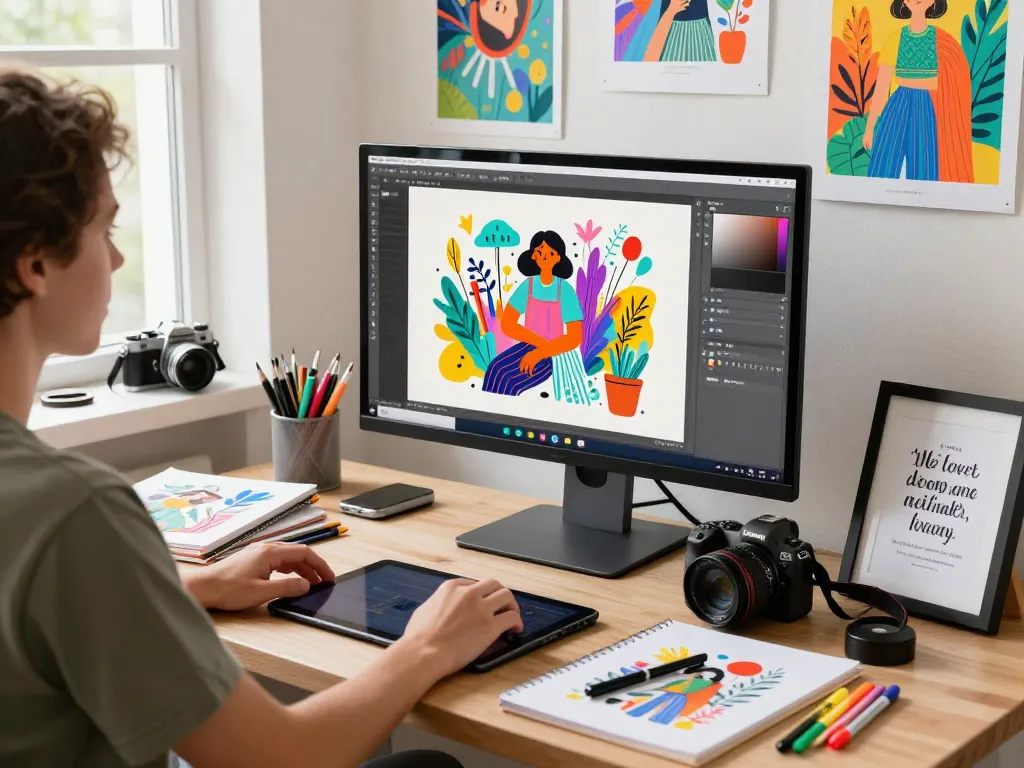
For designers, image to prompt tools can significantly improve workflow efficiency. By automatically generating prompts that outline project objectives or design elements, these tools allow designers to focus on the execution rather than the ideation phase. This streamlined approach is especially beneficial in collaborative environments where multiple designers are working on a project simultaneously.
Combining Image Analysis with Artistic Interpretation
The marriage of image analysis and artistic interpretation is where the magic happens. Tools that offer image-to-prompt functionalities enable users to blend their creative insights with AI-generated suggestions. This collaborative approach not only enriches the artistic process but also fosters a unique style that may not have emerged without the aid of technology.
Choosing the Right Image to Prompt Tools
As the demand for image to prompt tools rises, a plethora of options are available in the market. Choosing the right tool can redefine how you approach your projects.
Key Features to Look For
When evaluating image to prompt tools, consider the following key features:
- Accuracy: The ability of the tool to provide precise and relevant prompts based on the image’s context.
- User Interface: An intuitive interface that allows for easy navigation and operation.
- Customization: Options to adjust the prompt generation settings according to specific needs or styles.
- Integration: Compatibility with other creative software or platforms to enhance productivity.
Comparing Popular Image to Prompt Platforms
Several platforms today offer image to prompt functionalities. Some notable mentions include:
- ImagePrompt.org: Known for its straightforward interface and high accuracy in prompt generation.
- imagetoprompt.org: Offers a range of additional tools like an AI prompt generator and image describer.
- Flux AI: A user-friendly tool that provides quick and detailed prompts.
Comparing these platforms can help users select one that aligns best with their creative workflows and objectives.
User Reviews and Case Studies
User reviews and case studies are invaluable when assessing the effectiveness of image to prompt tools. Many users report increased creativity and productivity, citing specific instances where generated prompts led to breakthrough ideas or successful projects. Analyzing testimonials can provide insights into how various industries are leveraging these tools for optimal outcomes.
Best Practices for Utilizing Image to Prompt
In order to maximize the benefits of image to prompt technology, adhering to best practices is crucial. These guidelines will help ensure that users make the most out of their creative processes.
Incorporating AI Prompts in Artistic Processes
Integrating AI-generated prompts into the artistic process can greatly enhance creativity. Artists are encouraged to use these prompts as starting points or as elements to incorporate into their work. Experimenting with different combinations can lead to unexpected and enriching results.
Maximizing Creativity with Customization Options
Many image to prompt tools offer customization features that allow users to tweak the settings for prompt generation. Maximizing these options can lead to more relevant and personalized prompts, enhancing the overall creative experience.
Common Mistakes to Avoid When Using Image to Prompt
While image to prompt tools offer numerous benefits, there are common pitfalls to avoid:
- Relying Solely on AI: While AI can provide inspiration, it’s essential to incorporate personal creativity into the process.
- Neglecting Fine-Tuning: Users should take the time to adjust settings to align the prompts with their unique style and needs.
- Ignoring User Feedback: Listening to user feedback can help improve how one utilizes AI prompts in their work.
The Future of Image to Prompt Technology
The future of image to prompt technology presents exciting possibilities as the creative landscape evolves. With rapid advancements in AI, we can expect profound changes in how creators interact with visual data.
Trends to Watch in 2026 and Beyond
Experts predict several trends that will shape the future of image to prompt technology:
- Enhanced Personalization: Future tools will likely incorporate deeper learning mechanisms to customize prompts based on individual user preferences.
- Integration with Virtual Reality: Combining image analysis with VR could create immersive experiences, allowing artists to generate prompts in real-time.
- Collaboration with Other AI Tools: Expect more seamless integration between image to prompt tools and other AI applications, such as writing assistants or design software.
Potential Impact on the Creative Industry
As these technologies advance, their impact on the creative industry will be significant. We may witness a shift in how artists and designers approach their work, with AI acting as both a collaborator and a catalyst for innovation. This could democratize creativity, enabling more individuals to express themselves through art and design.
Expert Predictions and Insights
Industry experts foresee a future where image to prompt tools evolve to become indispensable in creative workflows. They emphasize the importance of balancing AI-generated insights with human intuition to cultivate genuine creativity. Insights gathered from user experiences will guide further innovations in this space.
What Are the Ethical Considerations?
As with any technology, ethical considerations surrounding AI in creative fields are paramount. Issues such as copyright, authenticity, and the potential for overreliance on AI tools need careful examination. Creators must navigate these complexities while leveraging technology to enhance their work responsibly.
In conclusion, the image to prompt technology embodies the intersection of creativity and technology, providing unique opportunities for artists and designers. As we venture deeper into this digital age, embracing these tools while maintaining a human touch will be key to unlocking new worlds of creativity.