
Shaping the Future: Effective Construction Advocacy Strategies for Professionals
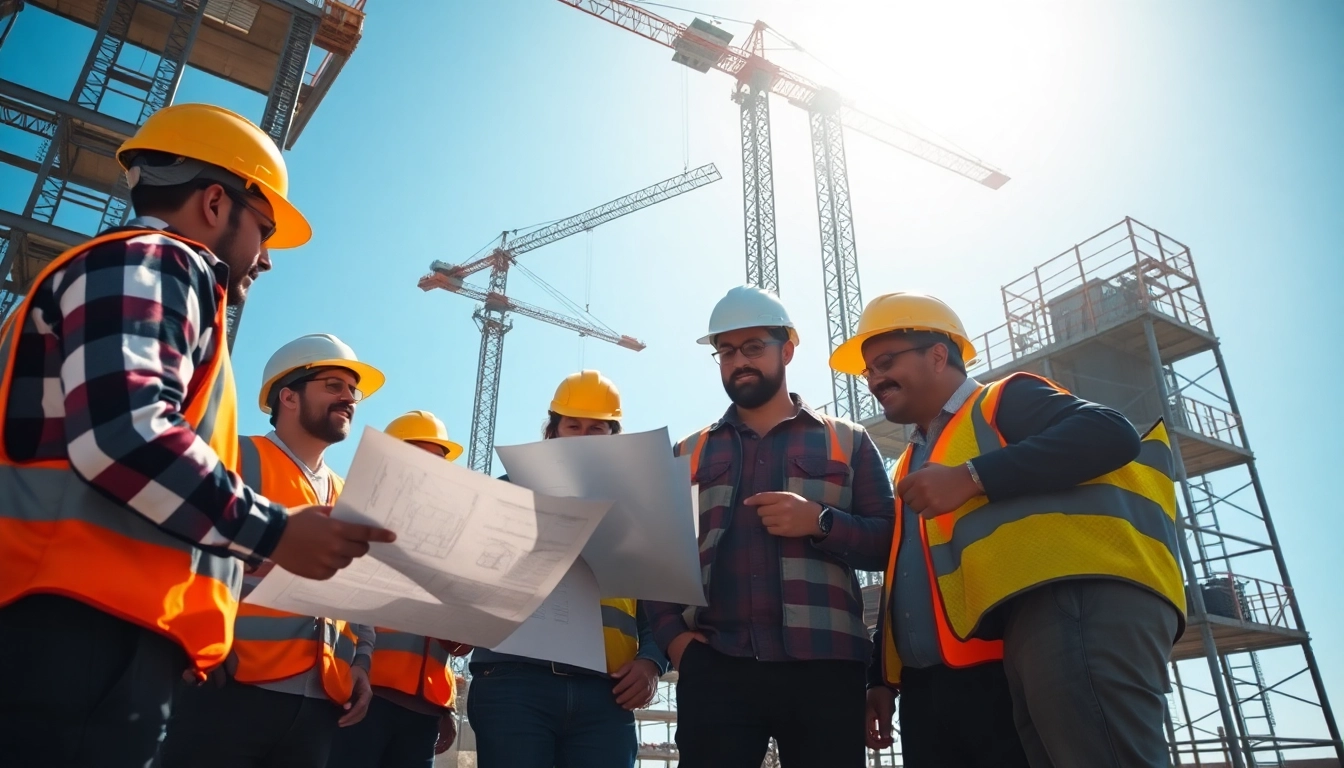
The Importance of Construction Advocacy
In today’s rapidly evolving construction landscape, the role of construction advocacy cannot be overstated. This vital practice aims to influence policymakers and stakeholders to create a favorable environment for the construction industry. Without robust advocacy, construction professionals may struggle to navigate the complexities of regulations, funding, and public opinion.
Defining Construction Advocacy
Construction advocacy refers to the efforts made by individuals, organizations, and coalitions to promote policies and legislation that benefit the construction industry. It encompasses a wide range of activities, including lobbying, public relations campaigns, and grassroots mobilization. The ultimate goal is to create a regulatory and economic landscape that enables the industry to thrive, catering to various interests from contractors and builders to suppliers and clients.
Key Stakeholders in Construction Advocacy
The landscape of construction advocacy is populated by various stakeholders who play crucial roles:
- Industry Associations: These groups represent the interests of construction professionals and often serve as the backbone of advocacy initiatives.
- Government Officials: Legislators and policy-makers who can enact laws and regulations that impact the industry.
- Contractors and Builders: Organizations and individuals who are directly involved in construction projects and can lend their voices to advocacy efforts.
- Community Groups: Local organizations that can influence public opinion and mobilize residents in support of construction initiatives.
Benefits of Strong Advocacy
Strong construction advocacy has several notable benefits:
- Influencing Legislation: Effective advocacy can lead to favorable laws and regulations that support growth.
- Increasing Funding Opportunities: Creating a narrative around the importance of construction can secure government and private funding.
- Enhancing Public Image: Advocating for the construction industry can help combat negative perceptions and showcase the sector’s contributions to economic development.
- Fostering Collaboration: Advocacy encourages dialogue among stakeholders, building networks that can tackle shared challenges.
Common Challenges in Construction Advocacy
Regulatory Hurdles
One of the primary challenges in construction advocacy is navigating complex regulatory landscapes. Regulations can be cumbersome and vary significantly by location, making it difficult for advocates to promote uniform policies. Keeping abreast of local, state, and federal laws requires ongoing education and engagement, which can be resource-intensive.
Budget Constraints
Advocacy efforts often require funding for campaigns, events, and resources. Many organizations face budget constraints that limit their ability to advocate effectively. Prioritizing and strategizing resource allocation is essential for maximizing budget impact and achieving advocacy goals.
Public Perception Issues
Public perception plays a significant role in construction advocacy. Negative stereotypes and misconceptions about the construction industry can hinder advocacy efforts. To overcome this challenge, advocates must engage in targeted public relations campaigns that highlight the industry’s positive impact on local economies and communities.
Best Practices for Effective Advocacy
Building Alliances and Networks
Cultivating relationships with various stakeholders enhances the advocacy process. By forming alliances with complementary organizations, construction advocates can expand their reach and amplify their message. Joint campaigns can gather more resources and create a more significant impact in influencing policy changes.
Utilizing Social Media
In the digital age, social media has become a powerful tool for advocacy. Platforms like Twitter, LinkedIn, and Facebook allow construction advocates to communicate directly with audiences, share information, and mobilize supporters. Creating engaging content that resonates with followers can increase awareness and support for construction initiatives.
Engaging with Policy Makers
Building relationships with policymakers is essential for successful advocacy. Construction advocates should ensure that they communicate regularly with officials, providing them with data, research, and personal stories that illustrate the importance of construction issues. Organizing meetings, town halls, and public forums can be effective ways to engage policymakers and discuss concerns directly.
Case Studies in Successful Construction Advocacy
Community Engagement Examples
Successful advocacy often hinges on community engagement. One effective example includes organizing neighborhood meetings to discuss local construction projects, addressing community concerns, and highlighting benefits. Such initiatives foster trust, encourage collaboration, and ultimately pave the way for smoother project approvals.
Innovative Campaigns that Worked
Innovative campaigns have shown that advocacy can take many forms. For example, an advocacy group harnessed storytelling to share personal testimonials from workers affected by construction policies. This emotional appeal captured greater attention from the public and policymakers, resulting in favorable legislative changes.
Measuring Impact of Advocacy Efforts
To assess the effectiveness of advocacy campaigns, stakeholders should develop clear metrics to measure their impact. Metrics can include the number of legislative changes influenced, public engagement levels, and funding secured. Regular reviews ensure that advocacy strategies are adjusted and refined for maximum effectiveness.
FAQs about Construction Advocacy
What is construction advocacy?
Construction advocacy is the effort to influence policies and legislation favorable to the construction industry through lobbying, public relations, and grassroots campaigns.
How can I get involved in construction advocacy?
You can get involved by joining local industry associations, attending community meetings, or participating in campaigns that promote positive construction policies.
What are the benefits of advocacy in construction?
Benefits include influencing legislation, increasing funding, enhancing public perception of the industry, and fostering collaboration among stakeholders.
Who are the key players in construction advocacy?
Key players include industry associations, government officials, contractors, builders, and community groups who work together to influence policy and address issues.
What challenges does construction advocacy face?
Challenges include navigating regulatory hurdles, budget constraints, and managing public perception issues related to the construction industry.