
Enhance Your Ride with Quality Auto Window Tint Near Me
Understanding Auto Window Tint
What Is Auto Window Tint?
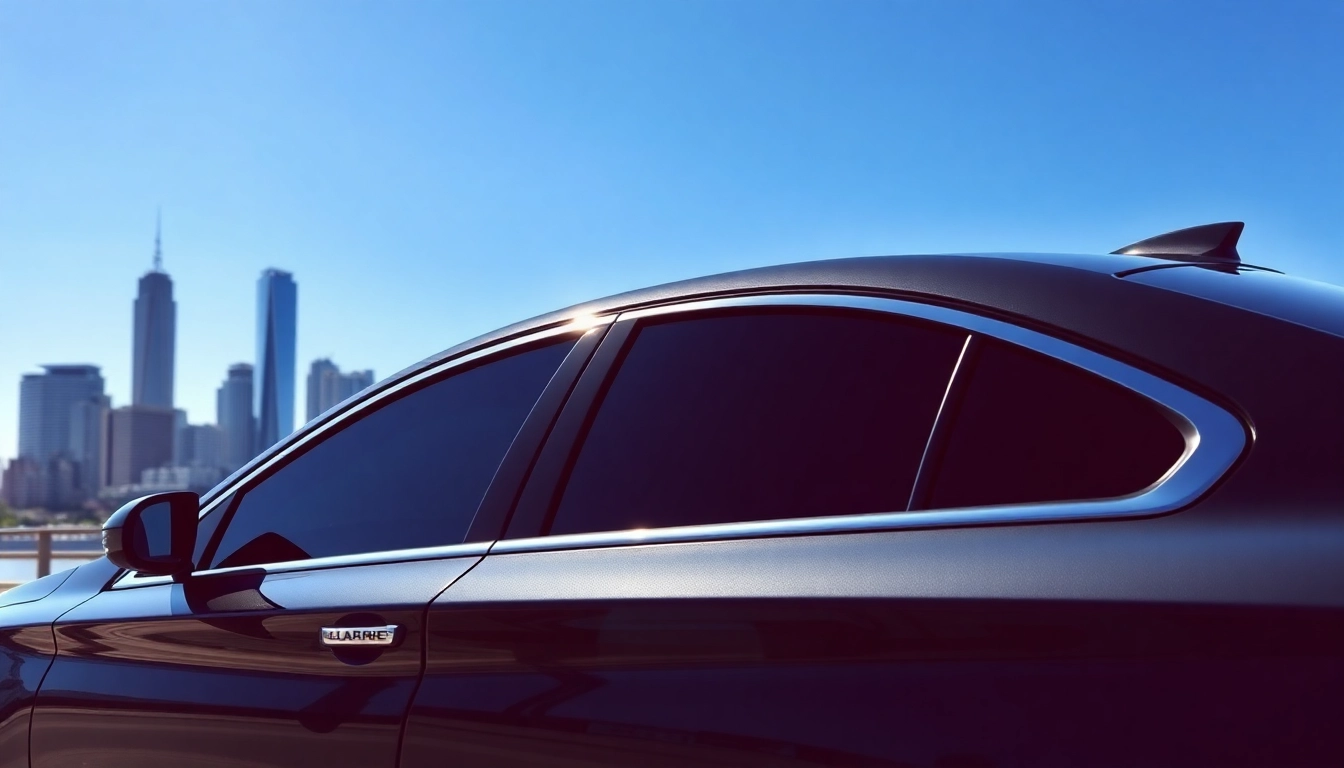
Auto window tint is a thin film material adhered to the windows of a vehicle. This film serves various purposes, including reducing glare, blocking UV rays, enhancing privacy, and improving the vehicle’s overall aesthetic. Window tint is composed of several layers that work together to provide these benefits, ranging from a simple dyed layer to advanced ceramic or metallic materials that offer superior heat rejection and durability.
Benefits of Auto Window Tint Near Me
Exploring auto window tint near me provides vehicle owners with numerous advantages. One significant benefit is protection against harmful UV rays, which can cause skin damage and fading of the car’s interior. Additionally, window tint can reduce heat accumulation within the car, making it more comfortable during hot days. Tinted windows also enhance privacy, preventing outsiders from peering into the vehicle, which is particularly beneficial for delivering valuables or when parked in busy areas. Beyond these functional benefits, window tinting can contribute to a sleek, polished look, potentially increasing the vehicle’s resale value.
Common Types of Window Tints
There are several types of window tints available, each with unique characteristics:
- Dyed Window Tint: This is one of the most affordable options. It relies on dyed layers that absorb heat and light but can fade over time.
- Metalized Window Tint: This type includes tiny metallic particles that reflect heat, providing durability and greater UV protection.
- Ceramic Window Tint: Known for its high heat rejection while maintaining visibility, ceramic tint does not interfere with electronic signals, making it an ideal choice for modern vehicles.
- Hybrid Window Tint: Offering the benefits of both dyed and metalized films, hybrid tints provide a balance of affordability and performance.
- Crystalline Tint: This advanced option is virtually clear but designed to block UV rays and heat effectively, preserving visibility while maximizing protection.
Choosing the Right Tint for Your Vehicle
Factors to Consider
When selecting a window tint, consider factors like local climate, your primary reasons for tinting, and any personal style preferences. For instance, if you live in a hotter area, a high-performance ceramic or metallic tint may be worth the investment for its superior heat rejection. Additionally, consider the legal restrictions in your state regarding window darkness and reflectivity, as these can significantly influence the type of tint you select.
Choosing Professional vs. DIY Installations
Rather than embarking on a DIY installation, which may result in air bubbles, misalignment, or even damage to the windows, many opt for professional services. Professional installers have the experience, tools, and knowledge to ensure a flawless application. While DIY kits can be appealing due to cost savings, the long-term benefits of a properly installed tint often outweigh initial savings.
Local Regulations for Window Tinting
Being aware of local regulations is crucial when considering window tinting. Each state or locality may have specific rules regarding the darkness of tints, the reflectivity of films, and even which windows can be tinted. It’s essential to check local laws to ensure compliance, as fines and required removal of illegal tints can add significant costs to a poorly regulated installation.
Installation Process Explained
Preparation Steps for Tinting
Preparation for window tinting includes cleaning the glass thoroughly to remove dirt, dust, and oils, which ensures proper adhesion of the tint. Additionally, it’s advisable to remove any items from the vehicle’s interior that may obstruct the installation process. Adequate ventilation is essential if applying film in an enclosed space to avoid excessive humidity or temperature issues that could affect adhesion.
Step-by-Step Installation Guide
The installation process typically involves several key steps, whether handled by professionals or undertaken as a DIY project:
- Measuring and Cutting: The film is measured and cut to fit each window accurately.
- Applying the Film: A slip solution is sprayed on the window, allowing the film to slide into position before it sticks.
- Trimming: Once in place, excess film is trimmed carefully around the edges to create a seamless look.
- Smoothing: A squeegee is used to smooth out the film, removing air bubbles and ensuring full contact with the glass.
- Drying: The film should be allowed to cure, preventing any disturbance during this critical time.
Post-Installation Care Tips
After installation, maintaining the window tint is crucial. Avoid rolling down the windows for at least a few days to ensure proper adhesion. Additionally, use a soft microfiber cloth for cleaning to prevent scratching the film. Avoid using ammonia-based cleaners, as they can degrade the tint material over time. Regular reviews of the edges can help you catch any peeling or lifting early.
Frequently Asked Questions
How long does window tint last?
Quality window tint can last anywhere from five to ten years, depending on factors like the film type, installation quality, and environmental conditions.
Is window tinting expensive?
Costs vary based on the vehicle type and the selected film quality. While basic tints are more affordable, advanced films can range significantly in price.
Can I remove window tint myself?
While DIY removal is possible, it can be challenging. Professional removal ensures the glass is not scratched and avoids adhesive residue.
Will window tint make my car darker inside?
While window tint reduces glare and enhances privacy, most films are designed to maintain visibility, especially at night. The level of darkness varies based on the chosen tint.
Can window tint block UV rays?
Yes, most window tints can block up to 99% of harmful UV rays, providing protection for both occupants and the vehicle’s interior.
Finding Quality Services Near You
Researching Local Tinting Options
Finding reliable auto window tint services starts with research. Use online resources to compare local tinting companies, focusing on their services, pricing, and location. Check with friends or colleagues who might have experience with local providers. Search or filter by terms related to auto window tint near me for optimized results.
What to Look for in a Tinting Provider
When evaluating potential tinting providers, consider their experience, the variety of products available, warranties they offer, and whether they provide detailed consultations. A reputable provider should be willing to discuss the pros and cons of various tint options and assist you in making the best decision.
Reading Reviews and Customer Testimonials
Online reviews and customer testimonials are invaluable in gauging service quality. Look for evidence of professionalism, customer satisfaction, and any complaints regarding durability or service quality. Engaging with past customers through forums or social media can also provide insight into a provider’s performance and reliability.