
Understanding Saltwater Fly Fishing Basics
What is Saltwater Fly Fishing?
Saltwater fly fishing is a specialized fishing technique that utilizes a lightweight fly and a rod designed for casting artificial flies. Unlike traditional fishing methods that employ heavy bait and gear, saltwater fly fishing focuses on imitating the movements of aquatic creatures to attract various saltwater species, such as tarpon, bonefish, and permit. This method requires not just skill and precision, but also a deep understanding of the marine environment. Anglers must learn to read the currents and conditions of the water, allowing for an immersive and rewarding experience in nature.
Essential Gear for Saltwater Fly Fishing
Choosing the right gear for saltwater fly fishing is critical for success. The primary components that every angler needs include:
- Fly Rod: Saltwater fly rods are usually longer and stronger than freshwater rods, typically ranging from 8 to 10 feet in length with a fast action to handle larger fish.
- Fly Reel: A durable saltwater fly reel is essential, with a strong drag system to manage the heavier species you’ll encounter and resist corrosion from saltwater.
- Fly Lines: Select floating lines for surface fishing, or sinking lines for deeper catches, depending on the targeted fish species and water depth.
- Flies: Choose from a variety of patterns, such as Clouser minnows or Crazy Charlies, that imitate baitfish prevalent in the area.
- Leaders and Tippets: Ensure you have strong leaders (the line connecting the fly to the main line) and tippets (the line at the end of the leader) that can withstand the weight and fight of saltwater fish.
In addition, a good pair of polarized sunglasses is crucial for reducing glare on the water, allowing you to spot fish more easily.
Choosing the Right Location for Fishing
One of the most critical factors in successful saltwater fly fishing is selecting an appropriate location. Here are various types of saltwater environments to consider:
- Estuaries: These locations where freshwater rivers meet the ocean are teeming with diverse aquatic life and often hold large numbers of baitfish.
- Flats: Shallow coastal areas are favored by species like bonefish and permit, providing ideal conditions for sight fishing.
- Reefs: Rocky reefs attract various species and can offer excellent fishing opportunities, especially around structure where fish are likely to hide.
- Open Ocean: For targeting larger game fish like tuna and marlin, offshore trips can yield spectacular results.
Researching local hotspots and speaking with veteran anglers can provide insights into where to fish for the best results.
Techniques and Strategies for Success
Cast with Precision: Improving Your Skills
Mastering the cast is fundamental to effective saltwater fly fishing. Here are some techniques to enhance your casting precision:
- Double Haul Cast: This technique involves using both hands to create additional line speed and distance while casting, essential for reaching distant fish.
- Roll Cast: Useful in tight spaces or when backcasting is not possible, the roll cast allows you to present the fly without needing much room behind you.
- Front Cast: Perfecting your front cast ensures that the fly lands softly, mimicking natural prey movements and not spooking fish.
Practice casting in various conditions, as wind and waves can complicate matters. Regularly refining your technique will lead to more effective fishing trips.
Reading Ocean Conditions for Better Results
Understanding ocean conditions significantly enhances an angler’s ability to locate fish. Here are some key aspects to monitor:
- Tides: Fish tend to feed at certain tides, primarily during high tide or moving water, which is why it’s crucial to plan fishing trips around these natural cycles.
- Wind Direction: Wind can influence where fish congregate; for example, wind blowing into a shallow flat can push baitfish into tight areas where predators lie in wait.
- Water Temperature: Most saltwater species thrive in warmer water; thus, knowing the preferred temperature ranges can guide your fishing efforts.
Utilizing apps or local tide tables to determine these conditions can dramatically improve your fishing success.
Targeting Saltwater Species Effectively
Each species targeted in saltwater fly fishing has unique habits and preferences, making it essential to adapt your approach accordingly. Here are some strategies for popular species:
- Bonefish: These fish are wary and easily spooked; therefore, using subtle flies and presenting them quietly is vital. Approach quietly and avoid casting a shadow over them.
- Tarpon: For tarpon, it’s crucial to select flies that mimic their natural prey, such as crustaceans or baitfish, and to be patient as you wait for a strike.
- Permit: This notoriously tricky fish is often found in shallow waters. Presentation is key; aim for a perfectly quiet landing as these fish are highly alert to disturbances.
Understanding the feeding patterns and habitats of your desired species will increase your chances of success.
Best Practices for Sustainability in Saltwater Fly Fishing
Conservation Techniques to Protect Marine Life
As anglers, it is our responsibility to protect marine ecosystems. Here are some best practices for sustainable fishing:
- Catch and Release: Practice catch and release techniques to ensure sustainable populations. Use barbless hooks and minimize handling time to reduce stress on the fish.
- Minimize Environmental Impact: Avoid damaging fragile habitats while wading or fishing. Stick to established paths and rocky areas.
Educating fellow anglers and practicing responsible fishing can have a lasting impact on the ecosystems we cherish.
Understanding Local Regulations
Compliance with local laws and fishing regulations is crucial for the sustainability of fish populations. Regulations can cover:
- Seasonal Restrictions: Certain species may only be fished during specific seasons to ensure breeding populations remain healthy.
- Bag Limits: Local regulations often dictate how many fish can be caught within a particular timeframe, depending on species.
Always check local regulations before heading out to ensure you are fishing in a lawful and ethical manner.
Eco-friendly Practices for Anglers
Beyond regulations, adopting eco-friendly practices is essential. Consider these approaches:
- Using Non-toxic Tackle: Opt for lead-free weights and biodegradable fishing lines to reduce environmental pollution.
- Support Local Conservation Efforts: Participate in local clean-ups and contribute to organizations focused on marine conservation.
Fostering a culture of sustainability helps safeguard the future of saltwater fly fishing for generations to come.
Popular Destinations for Saltwater Fly Fishing
Top Coastal Locations in the US
The United States boasts numerous renowned destinations for saltwater fly fishing, each offering unique experiences:
- Florida Keys: Known as the fly-fishing capital of the world, the Florida Keys provide access to vast flats teaming with bonefish, tarpon, and permit.
- Outer Banks, North Carolina: This area offers diverse fishing environments ranging from sandy beaches to sound-side flats, suitable for various target species.
- California Coast: With both inshore and offshore options, California is rich in opportunities to catch striped bass, halibut, and even offshore pelagic species.
Global Hotspots for Saltwater Fishing
For the adventurous angler looking to explore the globe, here are some international hotspots:
- Andros Island, Bahamas: Renowned for its abundant bonefish population as well as its picturesque landscape, it’s a bucket-list destination for many anglers.
- The Seychelles: Known for its clear waters and stunning scenery, this Indian Ocean archipelago is home to various gamefish species.
- New Zealand: Famous for its extensive flats, New Zealand offers unique opportunities to target large kahawai and marlin.
Secret Spots and Local Insights
Beyond the popular destinations, many hidden gems offer excellent fishing opportunities:
- Teal Island, Florida: This less-traveled location offers stunning scenery and unpressured flats, ideal for bonefish spotting.
- San Juan Islands, Washington: Known for its diverse species and beautiful landscape, it’s a great spot for those looking to target local species.
Connecting with local guides and fishing communities can yield valuable insights into these secret spots, enabling a more productive fishing experience.
Advanced Tips for Experienced Anglers
Perfecting Fly Selection and Presentation
For seasoned anglers, the subtleties of fly selection and presentation can make or break a fishing trip. Consider these advanced strategies:
- Matching the Hatch: Pay attention to the local baitfish and choose flies that closely mimic size, color, and movement.
- Sight Fishing: Develop the ability to spot fish from a distance and making accurate casts that land precisely where they are feeding.
Advanced anglers often experiment with various retrieves, adjusting speed and technique to entice fish based on their behavior.
Analyzing Weather and Tides for Optimal Fishing
The interplay of weather and tides can influence fish behavior dramatically. Here are some advanced analytical techniques:
- Barometric Pressure: Fish tend to feed aggressively pre-frontal and post-storm; use barometric pressure readings to time your trips.
- Understanding Lunar Phases: The moon phases can affect tidal patterns and fish feeding behavior, thus planning trips around the full moon can yield more catch.
Utilizing weather apps and resources can provide real-time data that augments fishing performance.
Capturing the Perfect Moment: Photography Tips for Anglers
Documenting your saltwater fly fishing adventures can create lasting memories. Consider these photography tips:
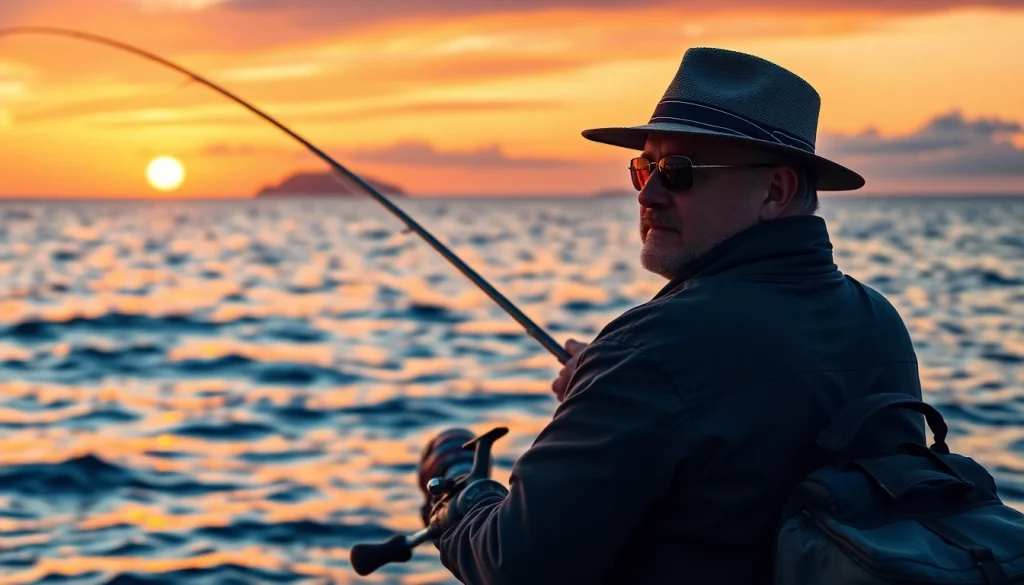
- Lighting: Golden hour—just after sunrise and before sunset—provides the best natural lighting for stunning shots.
- Composition: Use the rule of thirds to create dynamic images and capture the excitement of landing a fish.
Don’t forget to take care when handling fish for photos; ensure they are kept wet and returned to the water quickly to preserve their health.